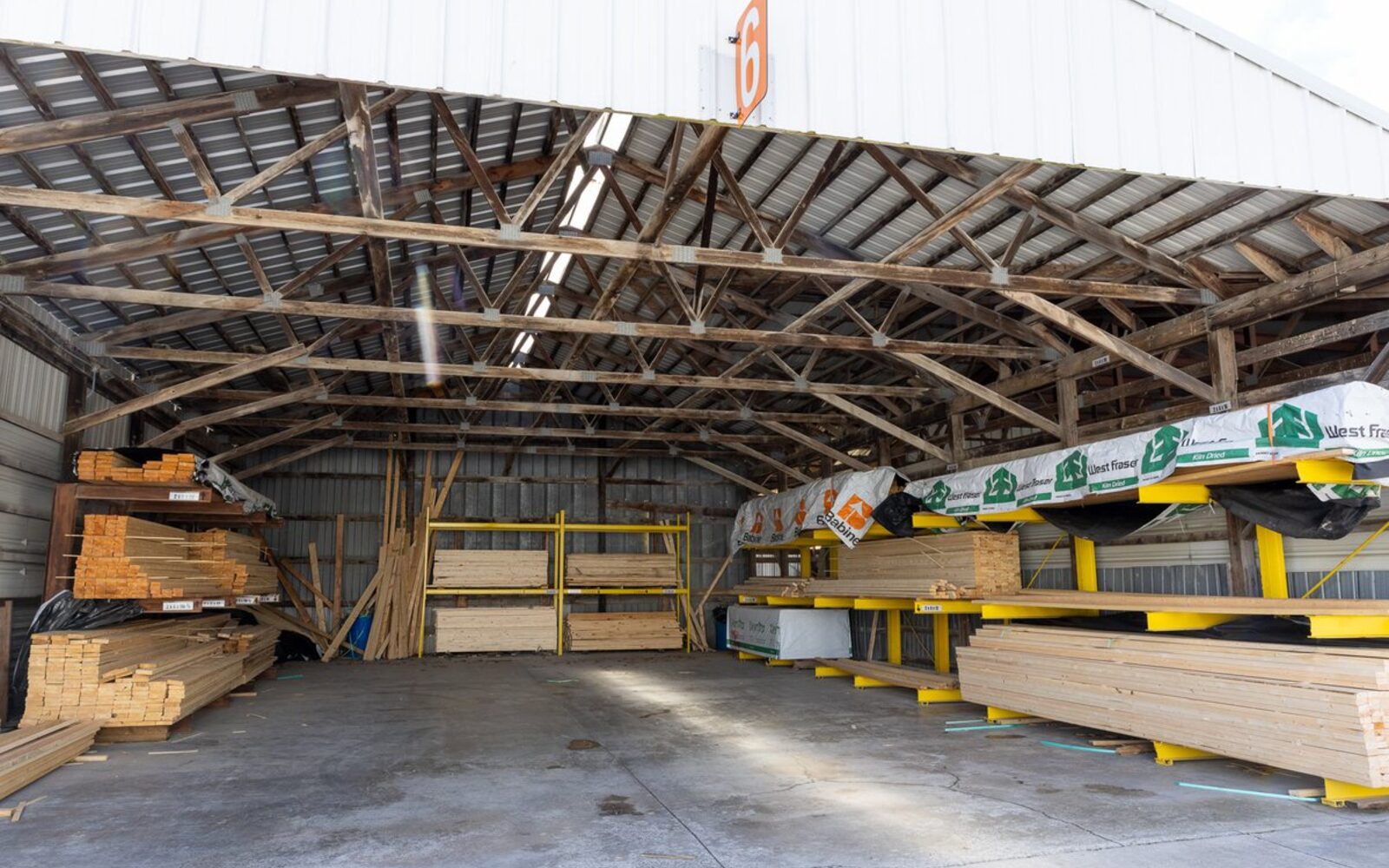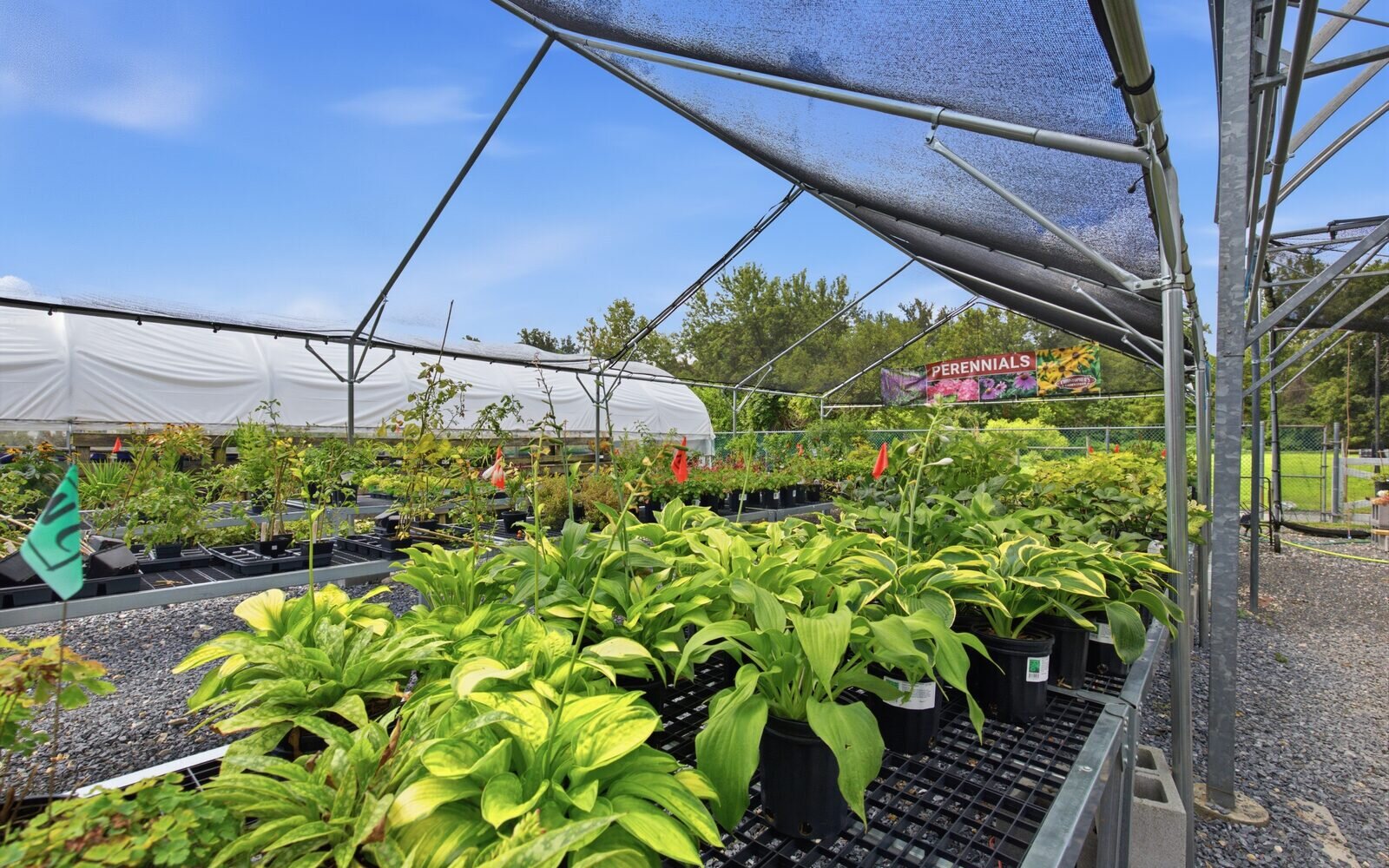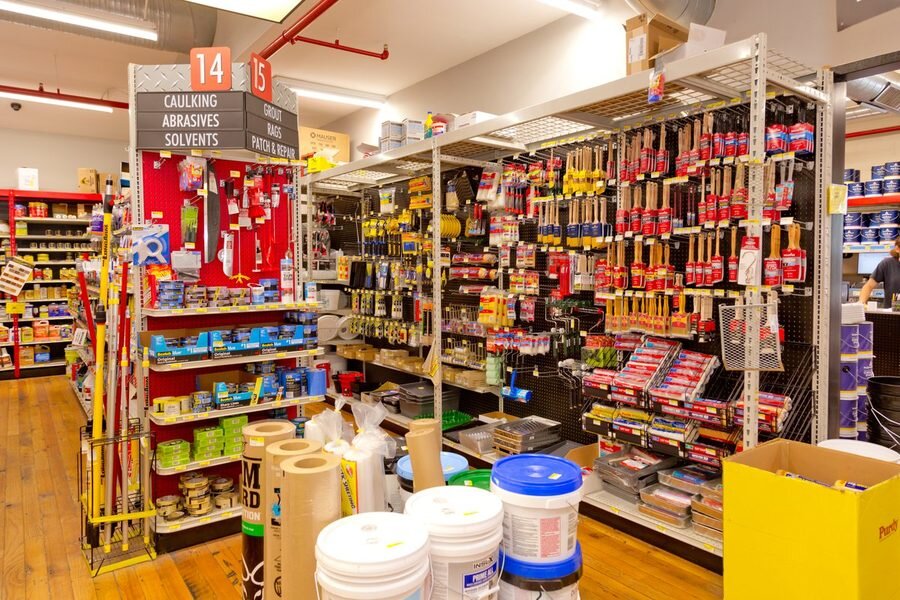
The team at Country Gardens Nursery in Heber City, Utah does not sell a single product called a maple; they sell a maple in a one-gallon can, the same maple in a five-gallon, and a fifteen-gallon specimen that takes two people to load, each at a different price. When a truck rolls in from a grower those sizes can arrive all at once, and the plants that do not sell are drinking water and turning into either bigger inventory worth more or dead inventory worth nothing. That is the puzzle this guide works through, using one perennial in three container sizes from the day it arrives to the day it sells, gets marked down, dies, or moves up a pot.
Why generic retail inventory fails a garden center
Most point of sale systems assume a product is a product: one item, one price, one count that drops by one at every scan, restocked on a steady schedule from a distributor that ships every week. A garden center breaks every clause of that assumption at once. The same plant lives in the yard in several sizes at several prices, the stock is perishable and shrinks in ways a can of paint never does, demand swings with the season and the weather, and fresh material arrives from growers in waves rather than the steady trickle a hardware store reorders on. Judge any system against those realities before anything else, because a system that does the retail basics well and the plant basics badly will cost you every spring.
Variety by size: setting up plant items so a quart and a gallon never blur
Take a coneflower, Echinacea purpurea 'Magnus', sold in a quart, a one-gallon, and a three-gallon. Each size has a different cost from the grower, a different retail price, a different place on the bench, and a different rate of sale, so each size has to be its own countable, priceable item. The tempting shortcut, one product called "Magnus coneflower" with the size typed into a note at the register, produces a single count that is never right for any size, a reorder point that cannot tell you which size you are out of, and a sales history that hides the fact that the gallons sell three times as fast as the quarts.
So set up three items, and make them easy to see together. Give them names that sort side by side, such as "Coneflower Echinacea Magnus QT", "1 GAL", and "3 GAL", put them in the same department and class so a report rolls them up as one variety, and if your system supports product tags, tag them by season or grower so you can pull every plant from one grower's spring order in a single list. The table below is the worked example we will follow for the rest of this guide, with illustrative costs and prices.
| Item | Grower cost | Retail | Margin | Arrived |
|---|---|---|---|---|
| Coneflower Echinacea Magnus QT | $3.25 | $8.99 | 63.8% | 48 in mid-April |
| Coneflower Echinacea Magnus 1 GAL | $5.50 | $14.99 | 63.3% | 36 in mid-April |
| Coneflower Echinacea Magnus 3 GAL | $12.00 | $32.99 | 63.6% | 12 in late April |
Rundoo handles sizes this way, and it is worth being specific because some buyers expect a size matrix. Each container size is its own product, with its own primary ID, price, and per-location inventory, rather than a variant under a parent product, and the quickest way to set up a new size is to duplicate an existing one and change the size, ID, and price. Departments, classes, finelines, and product tags then do the grouping, which is what lets a report or a promotion treat the three coneflowers as one variety when you want to and as three items when you need to.
Finding the plant: botanical names, common names, and tags that survive the weather
A customer will ask for a coneflower, an echinacea, "the purple daisy-looking one", or the name printed on a tag that blew off in last week's storm, and a seasonal hire on their third day needs to find the right item from any of those. The fix is mostly in how the product name is written. If your system searches on the product name, put both the common and the botanical name in it, and the variety too, so a search on "coneflower", "echinacea", or "magnus" all land on the same three items. Grower item codes and barcodes belong in the system's additional identifiers, so a scan of the grower tag finds the plant whether or not the counter knows its name. In Rundoo, search matches the product name, primary ID, additional IDs, and barcodes, which is why the name field is where both plant names should live.
Tags are the other half of the problem, because a tag that cannot survive a week of overhead watering is a tag that sends customers to the counter with a question instead of a cart. Weatherproof tags are mostly a question of label stock rather than software: a printer that takes synthetic, water-resistant label stock, and a template with the name, size, price, and barcode in a size a customer can read from standing height. Rundoo prints product labels from a custom label designer to desktop and mobile label printers, and our support team's recommendation for outdoor tags is a Zebra desktop printer with synthetic stock, but whatever system you run, print one tag, leave it on the bench through a week of watering, and see whether it can still be scanned before you print a thousand.
Shrink on the bench: logging losses by reason and location while the trail is warm
A garden center is the only kind of store where inventory can grow more valuable overnight and also die overnight, sometimes on the same bench. A flat gone leggy, a perennial that rotted in a wet week, a shrub grown root-bound, and a hanging basket knocked off its hook in the wind are all shrink, and none of them shows up in a general retail system until the next full count, when the gap between the books and the bench gets written off as one large, unexplained number. By then the trail is cold: nobody remembers whether the missing coneflowers froze, rotted, or walked out the gate.
The fix is to record losses when they happen, with a reason and a location, as part of the daily walk rather than the annual count. Pick a short list of reasons your team will use consistently, such as frost, disease, pests, wind, overwatering, and unsellable, and record the bench or house the loss came from. A month of that log answers questions the annual count never could: whether the losses cluster in one greenhouse, whether one grower's stock rots more often, and whether the problem is the weather or the watering schedule. Cycle counting, about an hour of daily counting that keeps on-hand numbers honest without closing the store, is the other half of this habit.
Rundoo does not have shrink reason codes or a dedicated write-off transaction today, so garden stores running it record bench losses one of two ways: a zero-dollar sale to a store-use account with the reason in the note, which removes the plant at cost and leaves a dated record of the loss, or an inventory count with the reason typed in the notes, which posts the variance to the books. Either works as long as the team uses the same short list of reasons every time, which is the part no software can do for you.
Markdowns on a schedule: a worked bench-age ladder
The single biggest lever on a garden center's year-end margin is how quickly it marks down plants that are past their best. A perennial that has finished blooming still has years of life in a customer's garden, but it looks tired on the bench, and every week it sits there it costs water, labor, and bench space while its price stays the same. The answer is a markdown ladder: a schedule that steps the price down by bench age or condition, set in advance so nobody has to decide on a busy Saturday whether a coneflower looks sad enough to discount.
Here is an illustrative ladder for the one-gallon coneflower from the example above. The weeks and the discounts are a starting point to adapt to how fast your own plants sell, not a rule: a center in a short season will move faster, and one with a strong fall perennial trade will move slower.
| Weeks on the bench | Condition | Price action | 1 GAL price | Margin |
|---|---|---|---|---|
| 0 to 6 | In bloom or budded, looking its best | Full retail | $14.99 | 63.3% |
| 7 to 10 | Past peak bloom, healthy foliage | 20% off | $11.99 | 54.1% |
| 11 to 14 | Finished blooming, still healthy | 40% off | $8.99 | 38.8% |
| 15 and up | Tired but alive | Clearance or repot | $5.99 | 8.2% |
| Any time | Dead or unsellable | Log as shrink | None | None |
Two decisions sit inside that ladder. The first is the floor: at some point a plant earns more as a repotted three-gallon next season than as a clearance one-gallon this season, and the next section covers that move. The second is how the markdown gets onto the price. Rundoo does not have a markdown scheduler as such, but its promotions take a start and an expiration date, a percent-off, margin, or dollar price, and a scope by product, vendor, department, class, fineline, or product tag, so a garden store can build a ladder as a series of dated promotions in advance. Tag a spring arrival "perennials-april", set the 20% promotion to start six weeks later, and the price drops on schedule at the register whether or not anyone remembers to change a tag. The ladder works best paired with a dead-stock habit that flags plants by days since their last sale and sizes the problem in dollars.
Repotting and pre-bagging without breaking cost of goods
The cleanest way off the bottom of the markdown ladder is often up a pot size. A one-gallon coneflower that has finished blooming in July can go into a three-gallon pot with fresh soil, spend the rest of the season growing, and sell next spring at three-gallon prices, which turns a plant on its way to clearance into a plant on its way to full margin. The inventory has to follow that move: the one-gallon plant, the new three-gallon pot, and the soil come out, the three-gallon plant goes in, and its cost includes everything that went into it.
Rundoo is not manufacturing software and does not present itself as such, but it handles this with a purchase order that balances to zero, which takes the components out, puts the finished plant in, carries the whole cost of goods across, and leaves room to mark up the labor. Our guide to simple assembly and growing on works through it line by line with ten tomatoes moving up a pot size, and the same move covers pre-bagging bulk soil or mixing a container planting. Selling plants by the flat or bulk goods by the yard raises a related but different question, about units rather than builds.
Buying in grower waves: reorder points, the season, and when dead stock is only running late
Ordering for a garden center is less like restocking a shelf and more like forecasting the weather, and the weather is half the forecast. Material comes in from growers in concentrated waves, and the buyer commits to quantities weeks ahead of a spring rush whose timing rides on a last frost nobody can pin down, so the order leans hard on knowing what sold last season, at what size, and how fast. A reorder point works for the hard goods in a garden center, but most plants are bought once or twice a season rather than restocked, so the more useful number is how much of each variety and size you sold last season.
That same seasonality makes dead stock harder to spot. A perennial that has not sold in three weeks in April is a problem; one that has not sold in three weeks in November is a plant waiting for spring. So compare how fast a plant is selling with the same weeks last season rather than against a flat day count, and judge a category by its return on the money tied up in it, its GMROI, which is a better lens than inventory turns alone when seasonal goods sit beside year-round ones. In Rundoo you can ask Dooey in plain English which varieties and sizes sold fastest last spring, which benches never moved, and what is worth reordering before the weather turns, so the grower commitment rests on your own sales history instead of a hunch. When Dooey ran a product-promotion exercise on a demo store, a product that looked like dead stock turned out to need two different offers, which is the kind of distinction a nursery buyer makes every July.
A vendor checklist for plant inventory
Bring your messiest variety to every demo, ideally one sold in three sizes across two benches, and ask the vendor to set it up live. Then ask these questions and write the answers down.
- Sizes. How does the system hold one variety in several container sizes, and how do you see all the sizes together in a search and a report?
- Search. Can staff find a plant by common name, botanical name, variety, and grower tag, and which fields does the search read?
- Tags. What label printers and label stock does it support, and can it print a tag that survives a week of overhead watering?
- Shrink. How does the team record a dead plant at the bench, with what reason and location, and what report shows the losses by cause?
- Markdowns. Can a price step down on a schedule set in advance, and can that schedule apply to a group of plants rather than one at a time?
- Repotting. When a plant moves up a pot, how does its cost follow it, including the pot and the soil?
- Buying. Can you see last season's sales by variety and size when you place the grower order, and how fast can you get the answer?
- Online. Does the website read the same live inventory the counter sells from, so a customer cannot buy the last flat twice?
Choosing inventory software for a garden center deserves the same patience as a new planting, because the roots you set now decide what grows later. Garden centers coming from Comcash, like Country Gardens, from Square, like Rusty Gate Nursery in Forks, Washington, or from VMX can see the side-by-side on our Comcash, Square, and VMX switching pages, and our garden center POS buyer's guide compares the field. Bring us your messiest variety and your worst week of spring shrink, and we will set them up in Rundoo on your own data at your own pace, and then put every other system through the same test, because the one that keeps a garden center honest through the rush and the frost is the one worth planting your business on.