Platform
Sell online without managing multiple catalogs.
Your storefront reads the same inventory your counter sells from, so a product goes online the moment you mark it sellable. The Rundoo Catalog supplies the photos and descriptions, and customers who sign in see their own pricing.

Why choose Rundoo for e-commerce?
Turn-key e-commerce for your store
Why we built it
- Contractors started asking. Supply customers order the same list every week and increasingly expect to do it at six in the morning from a truck rather than by phone at the counter.
- The usual answer costs too much. Bolting a cart onto a supply store means a second catalog, a sync between two inventories, and product content nobody has time to write.
- We already had the hard part. Rundoo maintains a catalog of more than a million products so the counter can find anything a vendor sells. Pointing a storefront at that same catalog made the content problem disappear.
Why it matters
I've had 10 years of dealing with a very limited QuickBooks. I got that email about the e-commerce and I'm like, oh my gosh, this is amazing.
Pet & Feed Supply LLC
- The store that answers a spec question online stops fielding it by phone.
- A contractor who can reorder at 6am is a contractor who does not price-shop at 8am.
- Nobody has to keep two catalogs, two price lists, and two inventories agreeing with each other.
Take this with you
One catalog, one inventory, one place to change a price
Online selling usually stalls on three chores: a second catalog to keep honest, product content nobody has time to write, and pricing that ignores your best accounts. The storefront reads the store you already run, so all three go away.
Mark it sellable, and it is online
No export, no sync job, no separate web catalog. And the point is not only the checkout: even if a customer never buys online, they now know what you sell before they get in the truck.
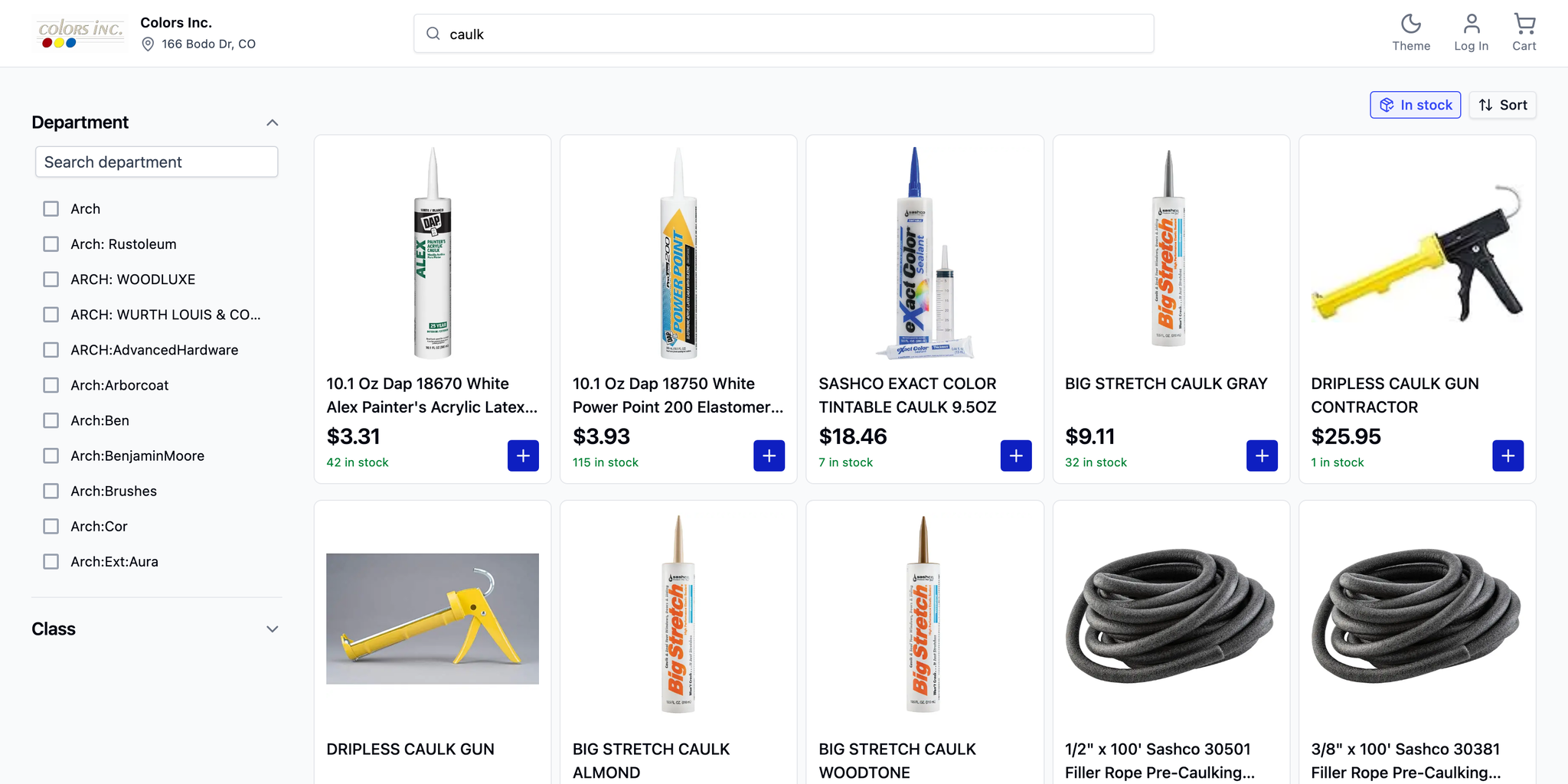
Being findable is most of the value
Even if customers never buy online, they can see what you carry, what it costs, and whether it is on the shelf right now. Plenty of orders still get placed at your counter, by someone who already knew you had it.
A storefront, not a project
Turn on e-commerce and your catalog becomes a store at your own Rundoo web address. No theme to choose, no plugin to install, no developer to hire.
One toggle per product
Your catalog is online by default, so you switch off what does not belong, one product at a time or in bulk by department. You also choose whether shoppers see your counts.
One inventory, not two
Prices and counts come from the records your team already sells from, so a change at the counter is a change online in the same breath.
Orders arrive as a will-call
A new order notifies your Rundoo inbox and lands in the Online orders tab beside the will-calls your team already works. Print them as they arrive.
The catalog brings the photos and the details
The hard part is rarely the cart, it is the content. Rundoo maintains that centrally so every store draws from it.
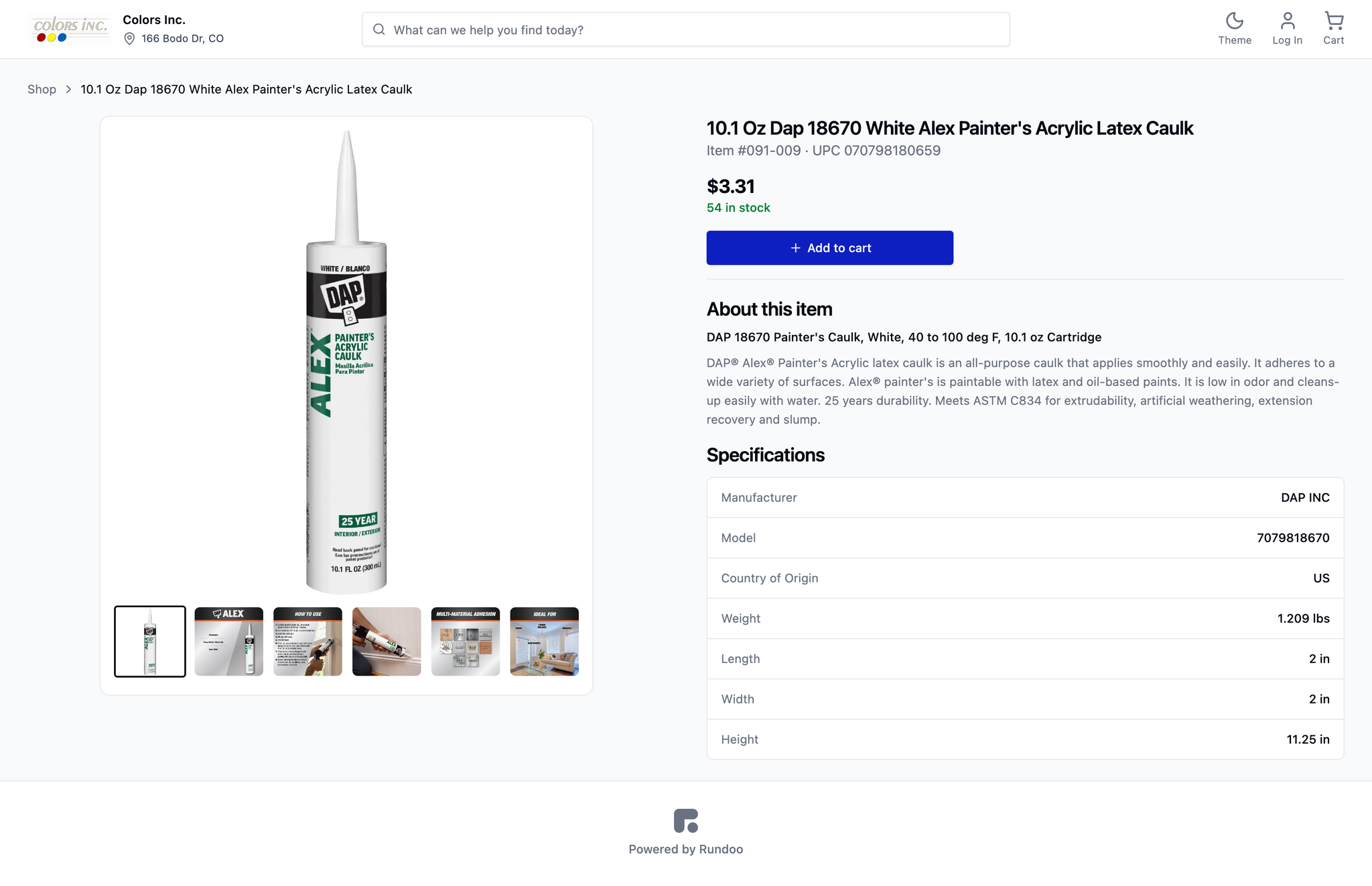
More than a million products, already documented
Names, photography, descriptions, specifications, technical datasheets, and safety datasheets for more than a million products across the vendors independent stores buy through. Listings arrive complete, with the item number, UPC, and the specs a contractor shops on, and stay current as vendors refresh their data.
See the Rundoo Catalog →Customers sign in and see their own price
A supply store has a shelf price and agreed prices for its accounts. The storefront respects both.
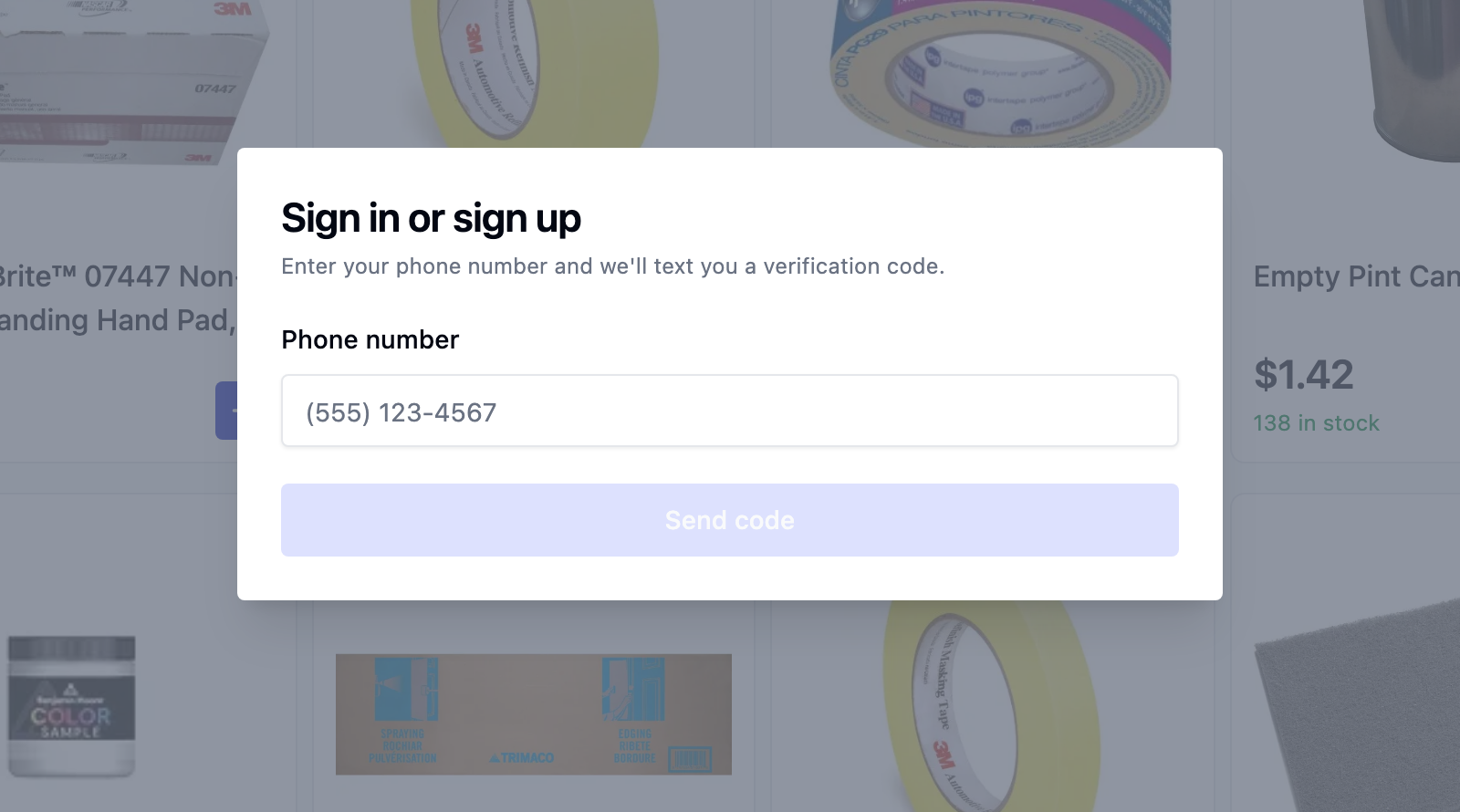
Signing in is a phone number and a code
Anyone can browse at the default pricing you set, no account needed. An account customer signs in with a phone number and a texted code, and the catalog re-prices to their tier.
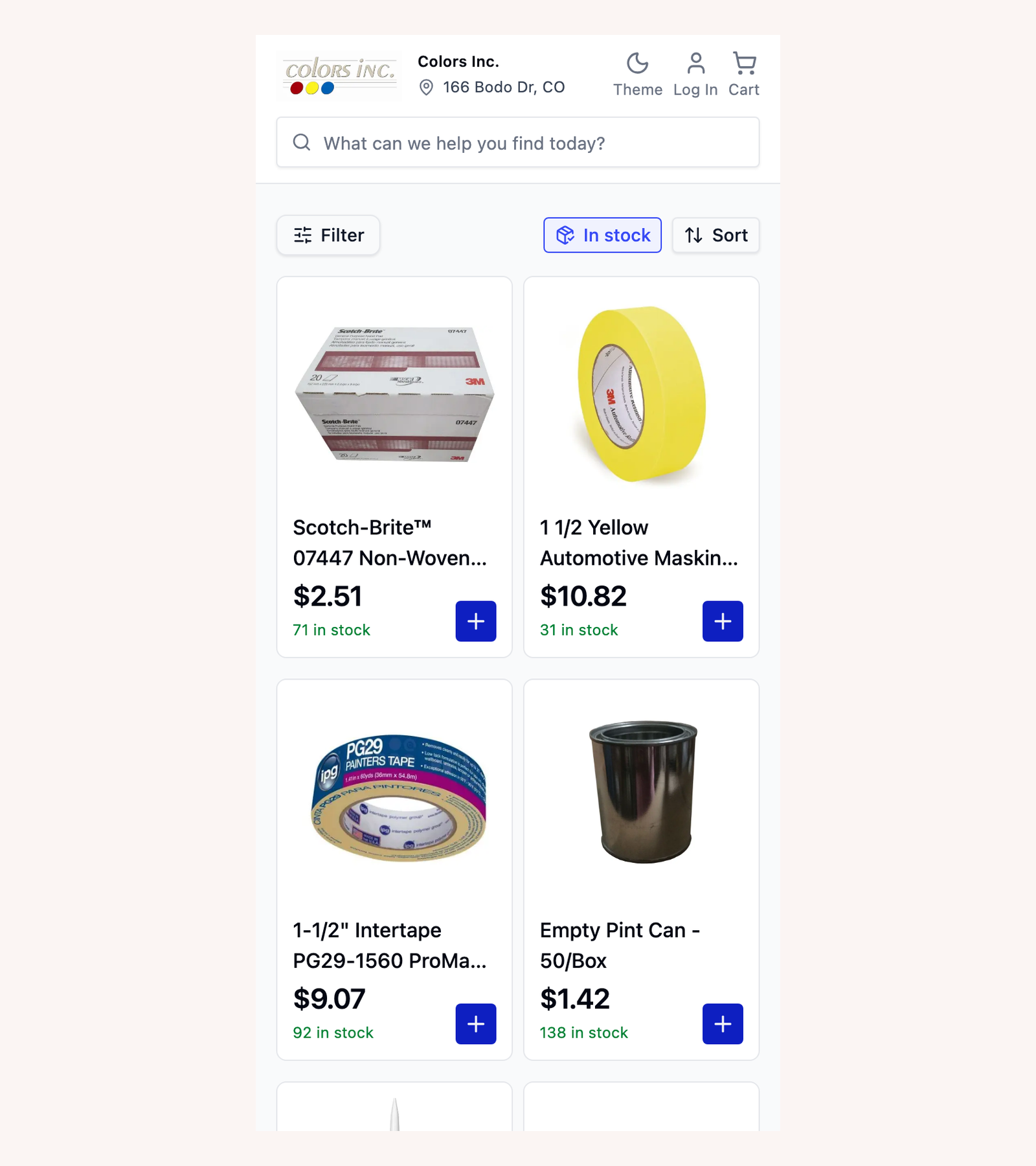
The same store on a phone, or in the app
The storefront works on any phone with nothing to download, and account customers can order in the Rundoo Customer App at their own pricing. Both arrive in the same Online orders tab.
See the Customer App →How this compares
Selling online is not rare, and pretending otherwise would not survive your first demo. Here is where each kind of system actually lands, with a link to our switch guide for each.
Generic retail and e-commerce platforms
Square · Shopify · Lightspeed · Revel
What they leave to you
- Shopify can price by company with B2B catalogs and price lists, but that lives on its higher plans and you build the catalog yourself.
- None of them carry a supply-industry catalog, so photos, descriptions, specs, and datasheets for your vendors' SKUs are yours to source and maintain.
- The storefront is a separate system from your counter, which means an integration keeping two inventories in agreement.
- Revel is now a Shift4 product aimed at restaurants, where online ordering is built around menus rather than vendor SKUs.
How Rundoo handles it
- Account pricing comes from the rules your counter already uses, with no separate plan tier.
- Catalog content arrives with the product, for more than a million products.
- One inventory and one customer record, because the storefront reads your store rather than copying it.
See the switch guide
Systems built for supply stores
Epicor Eagle · RockSolid MAX · Spruce · Paladin
What they leave to you
- All of them sell e-commerce, so treat this as table stakes rather than a category of one. Eagle eCommerce, Spruce eCommerce, and PaladinShop are real products doing real work.
- Each is a distinct product in the lineup, so scope, setup, and pricing are their own conversation alongside the core system.
- Their tools give you somewhere to put images, descriptions, and spec sheets. Filling that in, and keeping it current, is still your job.
How Rundoo handles it
- The storefront is part of the same platform as the counter, with nothing to buy separately or connect.
- The catalog content is supplied and maintained for you, which is the real difference once both stores are live.
- Cloud-native with continuous releases rather than an annual upgrade cycle.
See the switch guide
Ask yourself these questions
Whether or not Rundoo is the answer, these are the questions worth answering before you put your store online.
How many calls a day does your counter take that are really just "do you have it, and what does it cost?"
If a contractor wanted to place an order at six in the morning, what would you tell them to do today?
Who at your store would write the photos and descriptions for several thousand products, and when?
When you change a price at the counter, how long until every other place that price appears agrees?
Would an account customer see their negotiated price online, or would they call to have the invoice fixed?
If an online order came in tonight, where would it show up in the morning, and who would work it?
If the honest answer to most of these is "we would have to build that," the question is not whether online selling is worth it, it is what it costs you to run two systems to get there.
More from the Rundoo team
Titus Capilnean · September 25, 2026
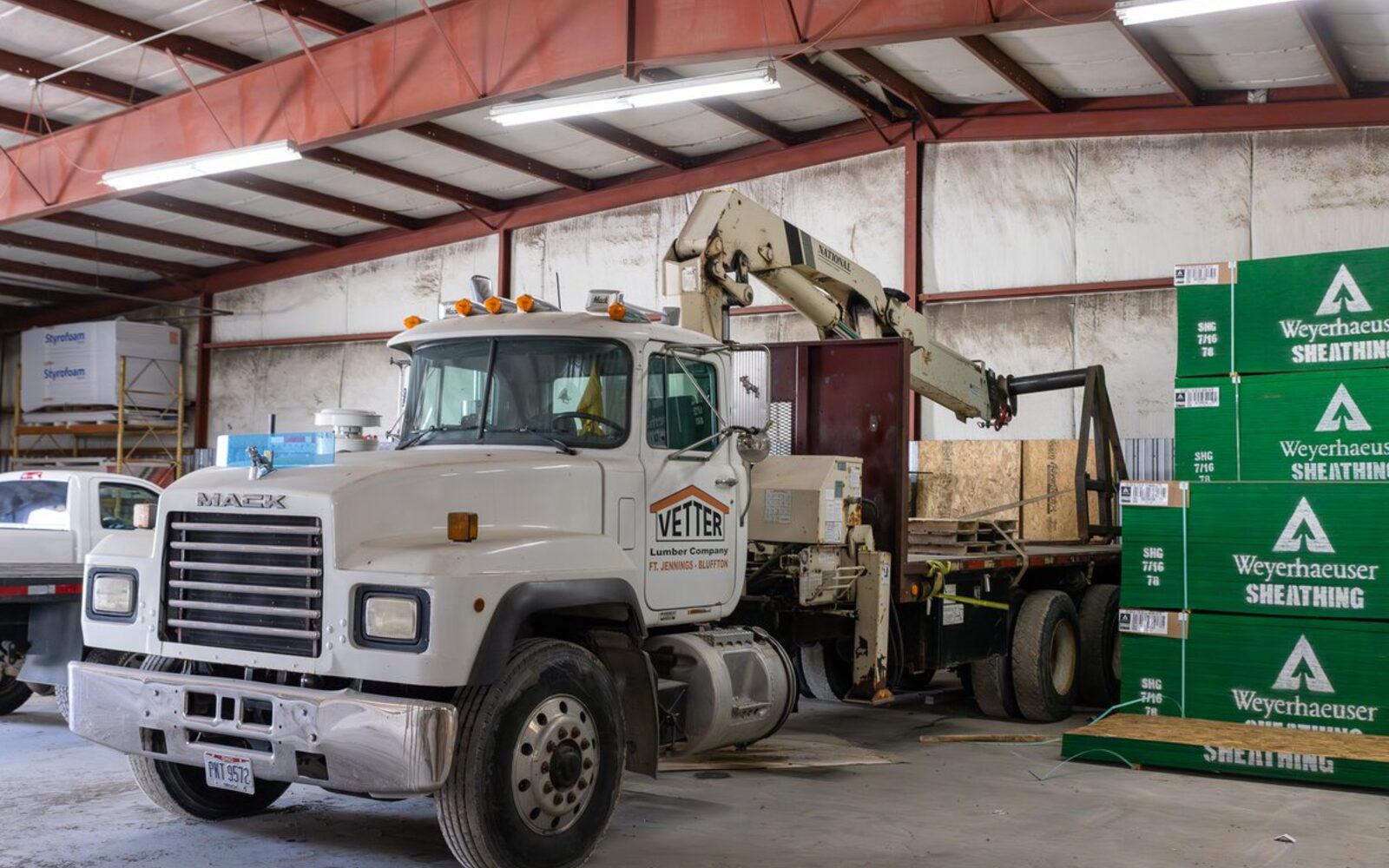
The best POS systems for lumber yards in 2026
A buyer's guide to lumber yard POS systems in 2026, from Epicor BisTrack, ECI Spruce, and DMSi Agility to Flitch, GenetiQ, and Rundoo, with a plain answer on which kind of yard each one fits.
Read story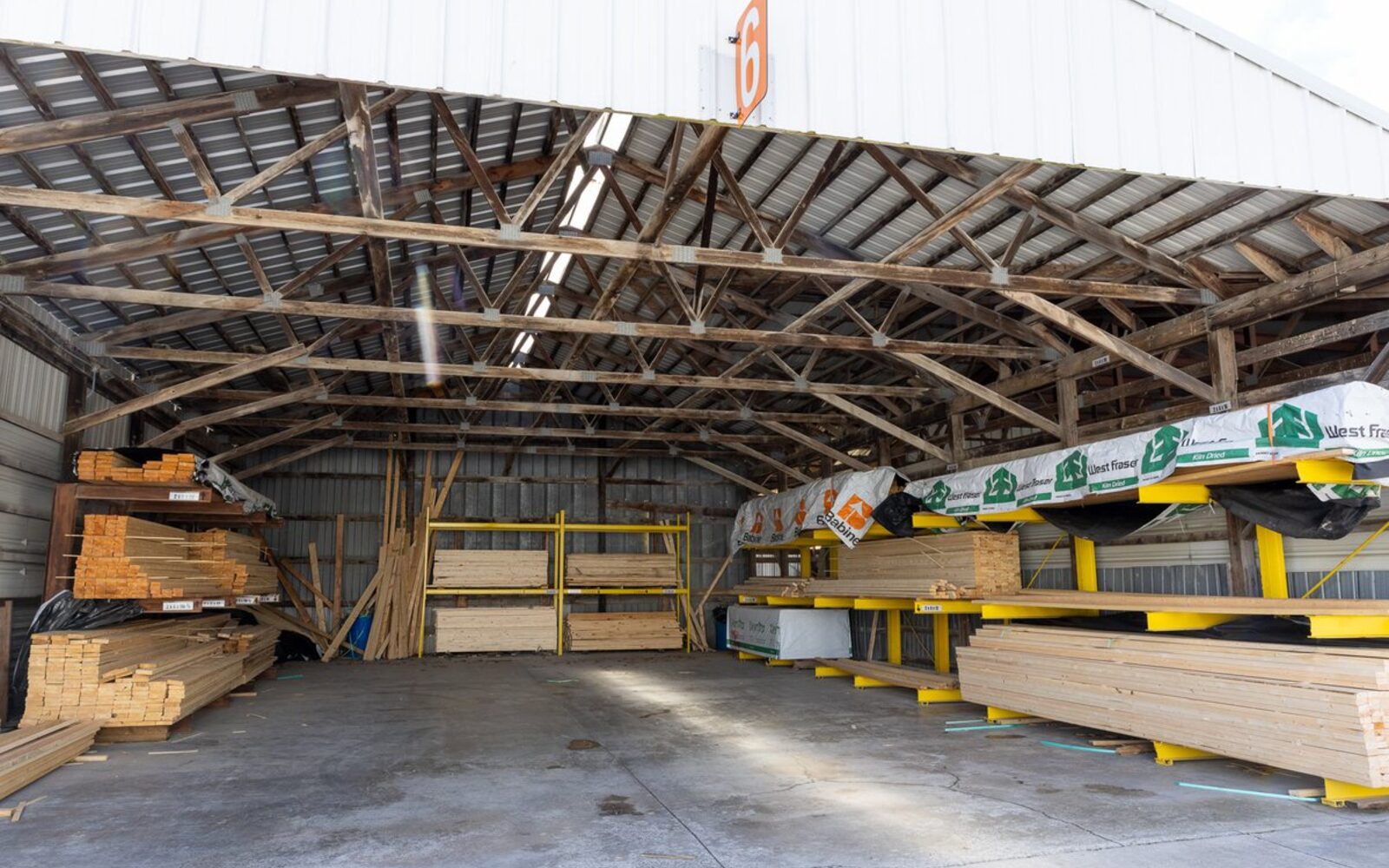
Titus Capilnean · September 25, 2026
Board foot calculator: how to calculate board feet
A working board foot calculator plus the formula with examples you can check, the nominal vs actual trap in softwood, the quarter-inch tally in hardwood, and how a lumber counter turns a price per thousand into a price per piece.
Read story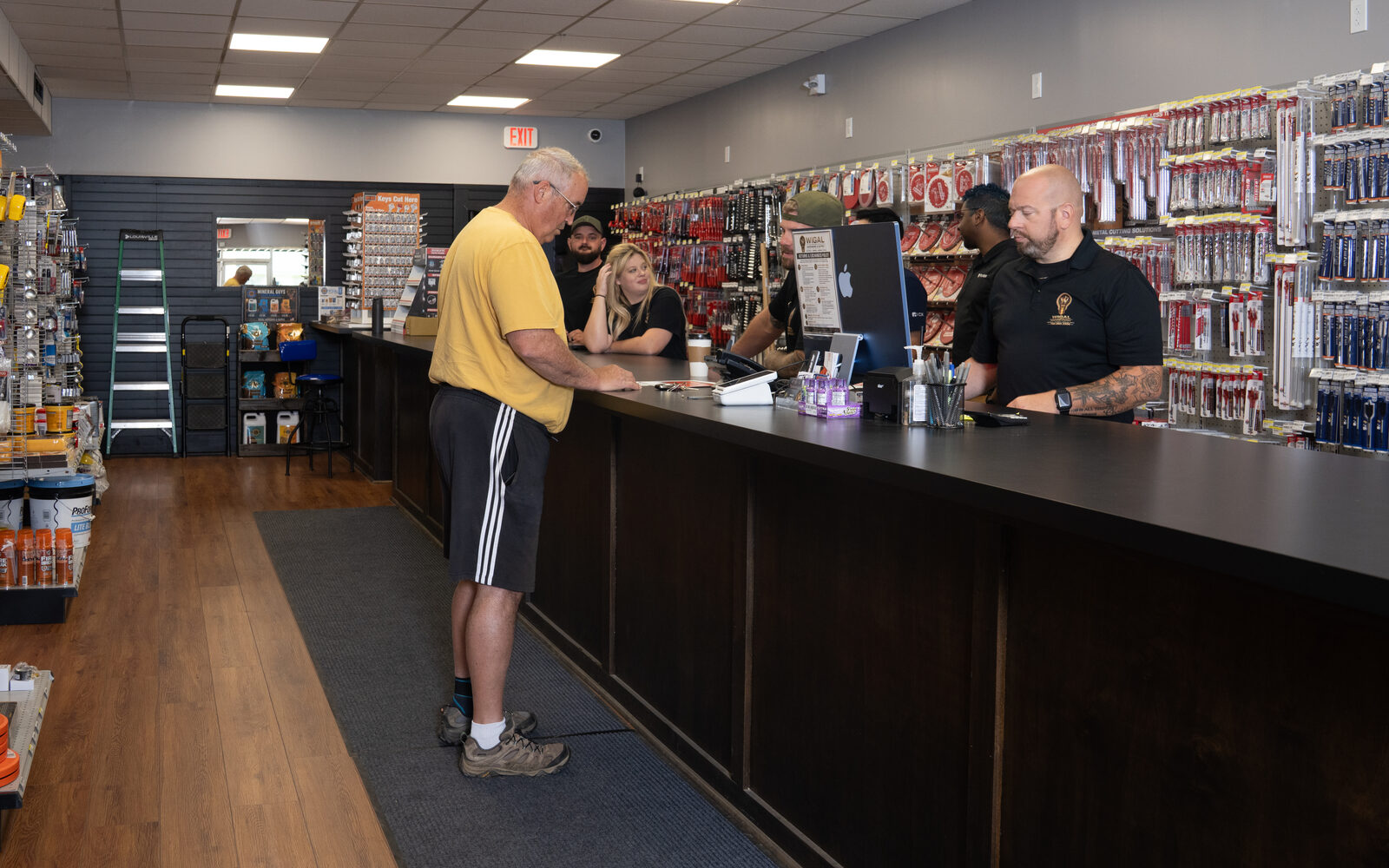
Titus Capilnean · September 25, 2026
BOPIS for independent stores: buy online, pick up in store
Buy online, pick up in store works for an independent hardware, garden, paint or feed store when the website reads the same live inventory the counter sells from, and the rest (staging, notifications, payment) is will-call process your team already knows.
Read story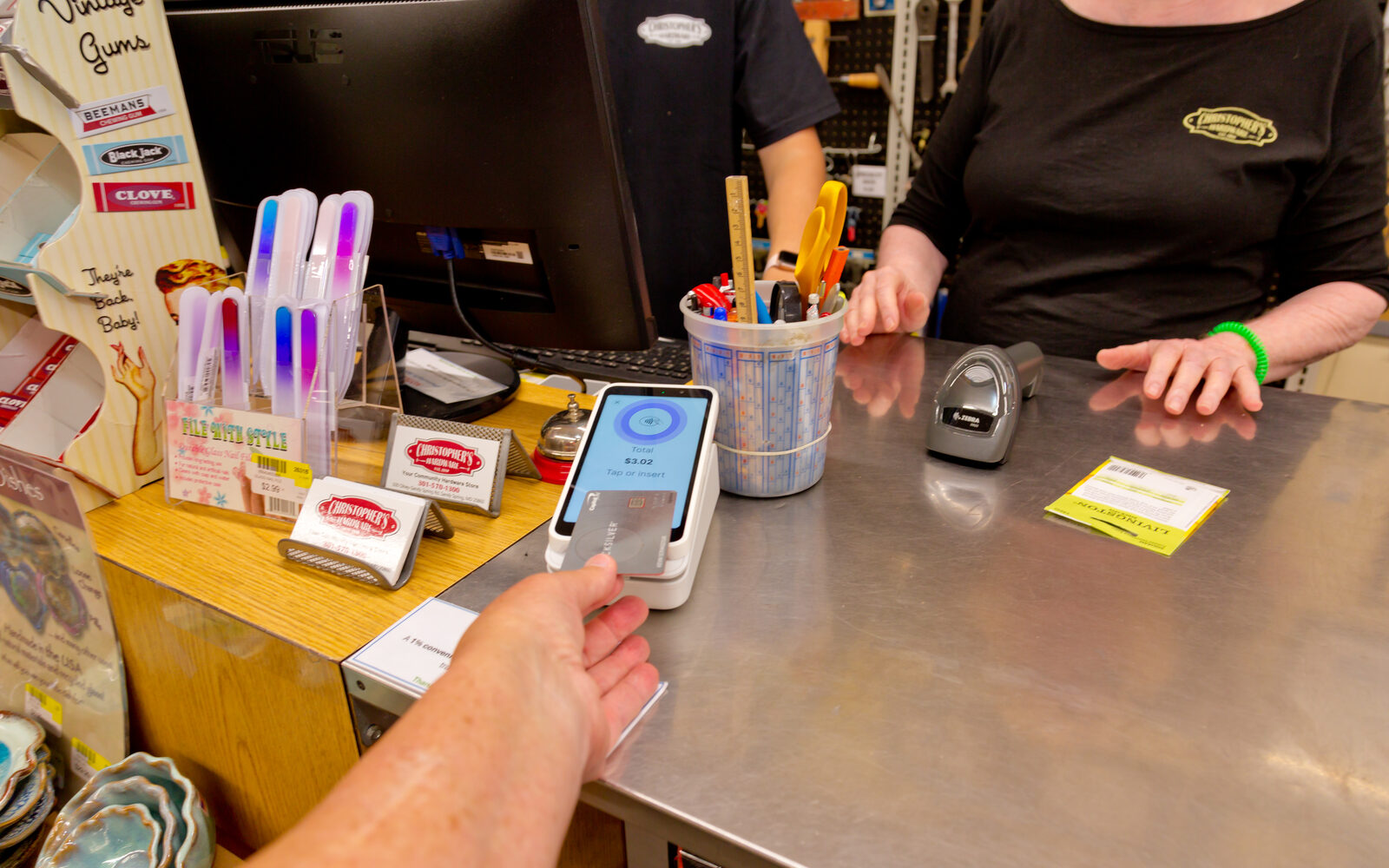
Titus Capilnean · September 25, 2026
Credit card surcharge laws by state (September 2026)
Surcharging is legal in most of the US, but the card networks, your state, and your processor each get a vote, so here are the caps, signs, and receipt rules, with the statute linked for every state that has one.
Read story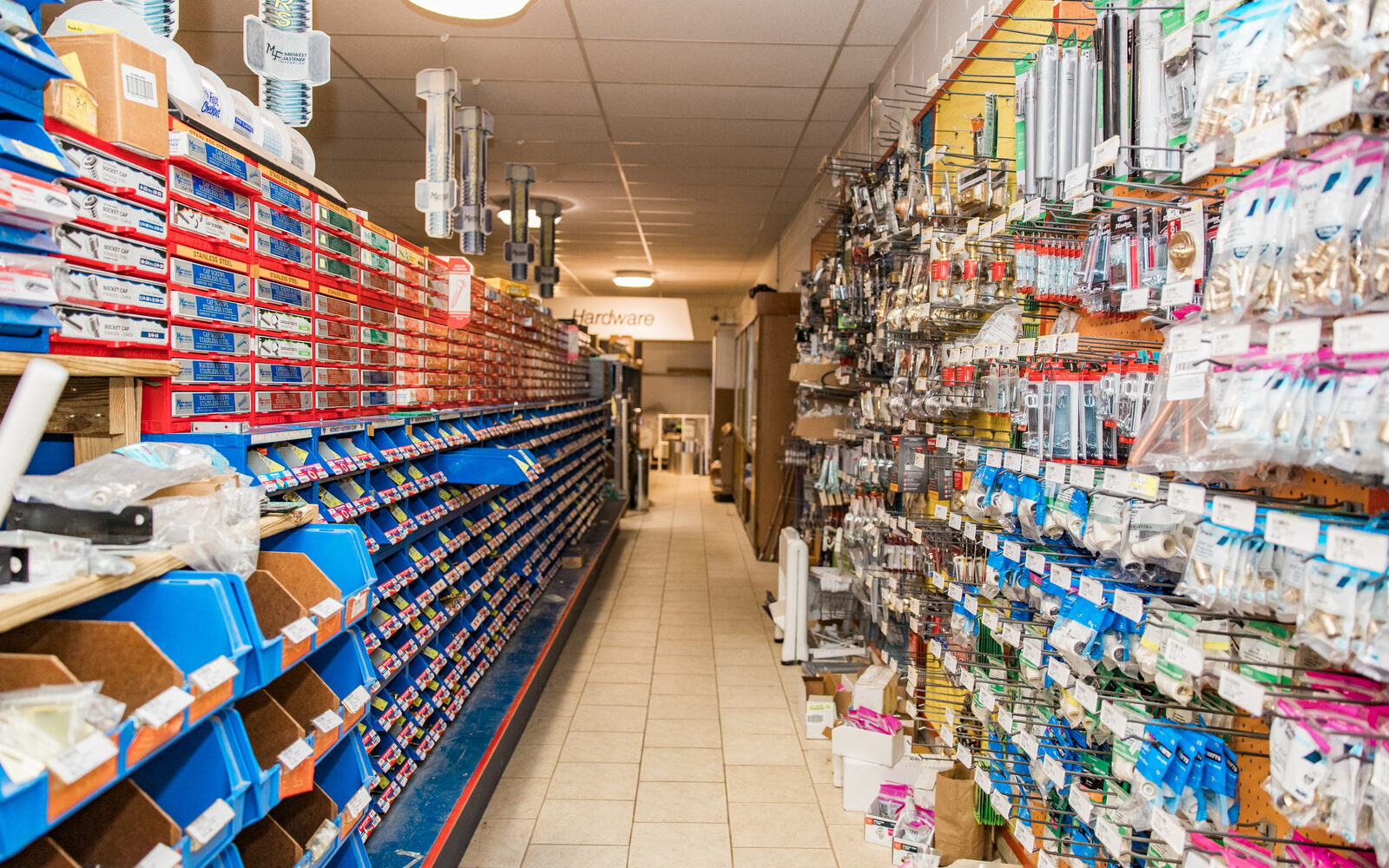
Titus Capilnean · September 25, 2026
Cycle counting: how to stop closing the store to count
Cycle counting replaces the dreaded once-a-year full count with about an hour of daily counting that keeps on-hand numbers honest, catches shrink while the trail is warm, and never closes the store.
Read story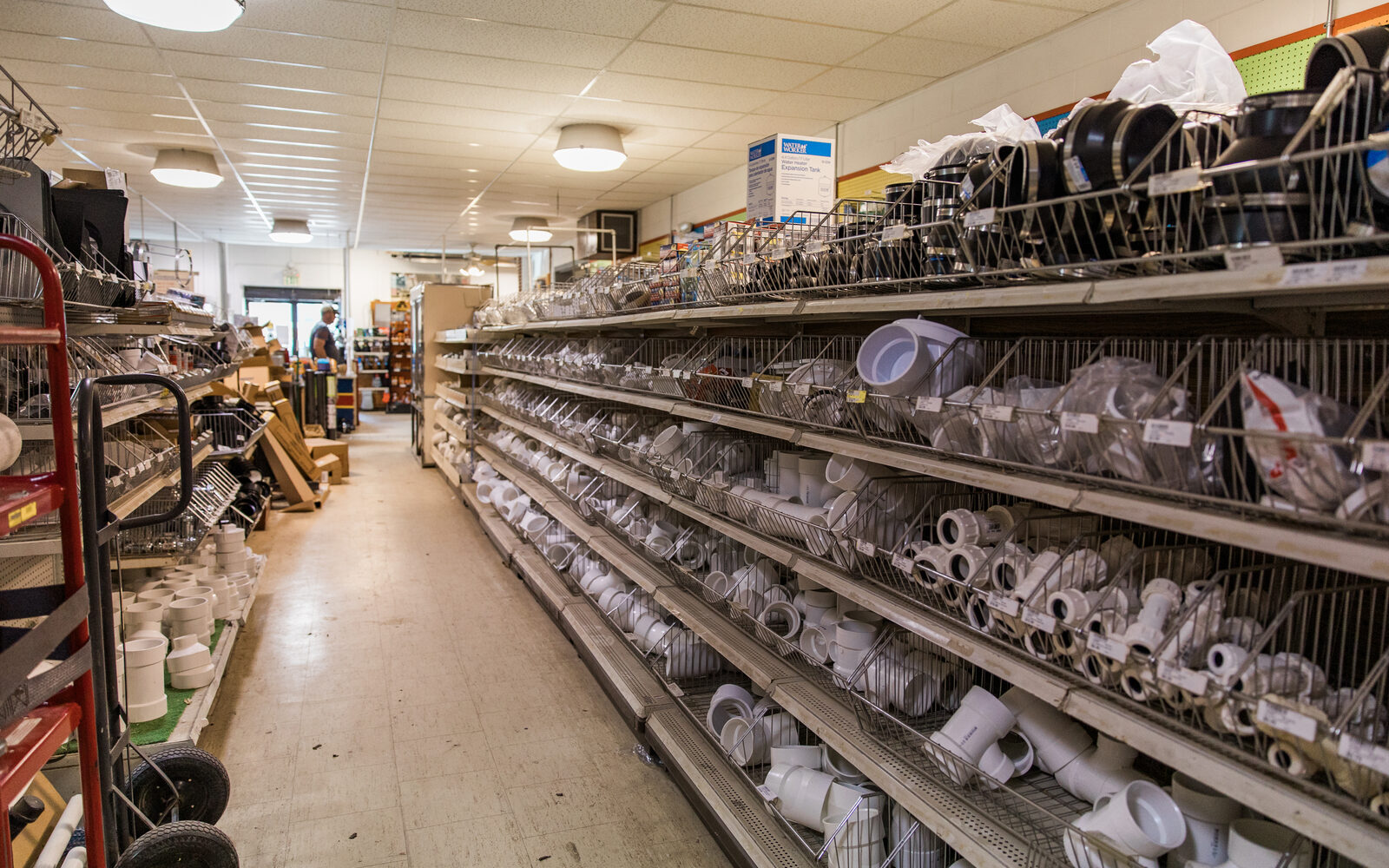
Titus Capilnean · September 25, 2026
Dead stock inventory: how to find it and clear it
Dead stock is retail inventory that has stopped selling, and here is the routine to define it by days since the last sale, size it in dollars, clear it without wrecking your margins, and keep the next batch from piling up.
Read storyFrequently asked questions
Do I have to build the online store myself?
Where do the photos and descriptions come from?
Will a contractor see their negotiated pricing online?
Where do online orders show up?
Do the systems I am already looking at have this?
See how the catalog works live
Book a demo and we will show you how e-commerce integrates with existing store features, and how to manage everything without extra development.