What is use tax?
Use tax is the tax owed on a taxable item that gets used, stored, or consumed in your state when sales tax wasn't paid at the time of purchase. It runs at the same rate as your sales tax, and a given item owes one or the other, never both on the same transaction.
Washington's Department of Revenue defines it plainly: "Use tax is a tax on the use of goods or certain services in Washington when sales tax was not paid at the time of purchase," and "Items used in the state are subject to either sales tax or use tax, but not both on the same transaction." Use tax exists because otherwise anyone could skip the tax by buying from a seller who didn't charge it or by pulling tax-free resale inventory off their own shelf.
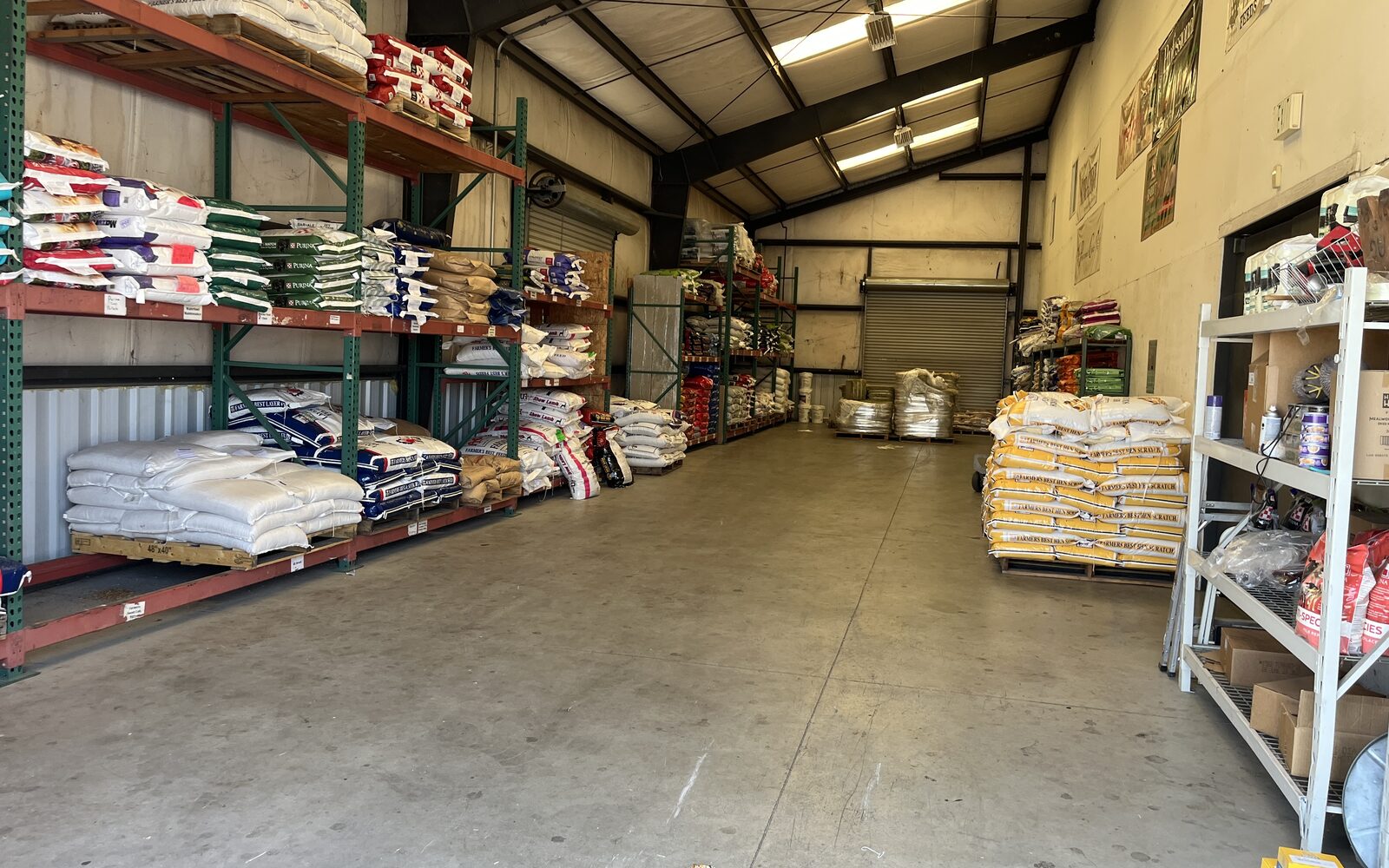
For an independent supply store, use tax shows up in two ordinary places. The first is inventory you bought tax-free for resale and then pulled for the store's own use, like the ice melt on the front walk or the paint on the break room wall. The second is equipment and supplies you bought from a vendor who never charged you sales tax, which can happen with out-of-state and online sellers. In both cases, nobody collected the tax at the register, so the state expects you to report it and pay it yourself.
Use tax vs sales tax, side by side
The two taxes are twins, not rivals. They generally share a rate, they are often reported on the same return, and the main difference is who does the collecting and when.
| Sales tax | Use tax | |
|---|---|---|
| Who collects it | You collect it from your customer at checkout | You self-report and pay it yourself |
| When it's owed | At the moment of the sale | When a taxable item gets used without sales tax having been paid |
| The rate | State rate plus local taxes | Generally the same state and local rate |
| Common trigger at your store | A contractor buys a box of screws at the counter | You pull ice melt off your own shelf, or buy a pallet jack online with no tax charged |
The store-use trap: selling to yourself
Picture a January morning. The walk in front of the store is a skating rink, so somebody grabs two bags of ice melt off the shelf and spreads them before the doors open. Later that week the trash cans in the break room need liners, so a box of contractor bags walks off the shelf too, and by spring somebody has pulled a gallon of paint and a handful of lumber to fix up the office. None of that feels like a sale, because no money changed hands.
The tax department sees it differently. You bought all of that inventory tax-free because you told your vendors, through your resale certificate, that you intended to resell it. The moment the store consumes an item instead of reselling it, the store becomes the end user, and the end user owes the tax. Congratulations, you're now your own customer, the kind who never pays, never says thank you, and always takes the last of the ice melt.
Which price gets taxed depends on your state
Here's the part that surprises owners: states don't agree on whether you owe tax on what the item cost you or what you would have sold it for.
Virginia takes the cost side. Under 23 VAC 10-210-490, a person who withdraws an item bought tax-free for resale for his own use "must report tax on the cost price of all property withdrawn for purposes other than sale." The same rule covers items given away as gifts or donations, taxed on cost price unless the gift or donation is otherwise exempt.
South Carolina takes the retail side. Revenue Ruling #25-3 treats a retailer's withdrawal of wholesale inventory for its own use as a retail sale subject to sales tax, figured on fair market value, meaning the price at which the store offers the item for sale, with customary discounts in effect allowed as a deduction. The ruling's own example is a store that sells paper towel rolls at $3.00: when an employee takes one off the shelf to clean up a spill, the store remits tax on $3.00, or on $2.50 if the rolls happened to be on sale at $2.50 that week. Local option taxes in the county apply on top.
Cost in one state, retail in the next, so check your own state's rule before you build the habit.
A worked example from the shelf
Take that January morning and price it both ways at an illustrative 7% rate.
| Item pulled for store use | Your cost | Your retail price |
|---|---|---|
| 1 box of contractor trash bags | $14.20 | $24.99 |
| 2 bags of 50 lb ice melt | $18.20 | $33.98 |
| Total | $32.40 | $58.97 |
| Tax due at an illustrative 7% | $2.27 | $4.13 |
Two or four dollars is nothing to lose sleep over on its own, and that's exactly why this gets ignored. But stretch it across a full year: a winter of ice melt, cleaning supplies and light bulbs every month, a ladder for the back room in June, paint and lumber for the office refresh in September, a few donations to the Little League raffle in between. Small per item, but a year of it plus an audit is not small, and the unreported kind is the kind auditors ask about.
The usual suspects around a supply store
The triggers are always the everyday stuff, the things nobody thinks of as a transaction:
- Cleaning supplies, paper towels, trash bags, and light bulbs pulled for the store
- Ice melt for the front walk and salt for the lot
- Tools, ladders, and step stools for staff use
- Paint, lumber, and hardware for the store's own fixtures, repairs, or remodel
- Display samples that get used up or installed and never come back
- Items given away as donations or promotional giveaways
- Equipment or supplies bought online or out of state with no sales tax charged
- Equipment a vendor sold you tax-free because your resale certificate was on file by mistake
The last two deserve their own look, because the store never touches its own shelf for either one.
When the purchase itself skips the sales tax
Say you find a great price on a floor jack or a batch of office chairs from an online seller in another state, and the checkout total shows no tax. The item is still taxable in your state, and since the seller didn't collect, you owe use tax on it. Washington's guidance notes that use tax is generally figured on the purchase price including freight or delivery charges paid to the seller, so don't leave the shipping line out of your math when you total it up.
The sneakier version is the resale certificate mistake. A vendor has your certificate on file for inventory orders, you buy a pallet jack or a pallet of shop towels for the store, and the system applies the exemption automatically. No tax charged, and now it's on you to catch it and self-report. Washington is blunt about getting this wrong on purpose: misusing a reseller permit triggers the tax plus a 50% penalty. The resale certificate is for inventory you intend to resell, full stop, and the same discipline applies to the exemptions you accept across the counter, since a customer's farm exemption covers their qualifying purchases and not your store's own use. If you want the fuller picture on certificates, see our guides on resale and tax exemption certificates for contractors and farm and ag tax exemption at the counter.
How to handle store use without losing your evenings
The fix is a habit, not a project, and it starts at the same counter where you check out everyone else. When somebody pulls an item for the store, check it out to an internal "store use" account or post an inventory adjustment with a reason code, so the item leaves inventory at cost with a paper trail instead of vanishing into a count discrepancy.
From there, keep a running monthly list of store-use withdrawals with the cost and the retail price of each item, since you'll need both if your state taxes one or the other. When you file for the period, report the total on your sales and use tax return for the period; many states give registered retailers a line for it on the regular return, so check your state's form. File the list with your tax records so the numbers on the return have something behind them.
Two bookkeeping touches make this easier. Give use tax its own home in your books, a "use tax payable" account alongside your sales tax payable, so the liability is visible instead of buried (our guide to the general ledger and chart of accounts for retail shows where it sits). And watch the cash drawer: small supply runs paid in cash where no tax was charged still belong on the monthly list, which is one more reason to keep receipts attached to the entries as covered in our guide to petty cash for retail stores.
Internal use is not shrink
There's a side benefit to recording every withdrawal, and it shows up at inventory count time. An item that left the shelf with no record looks identical to a stolen one when the count comes up short, and a winter of unlogged ice melt can make your shrink numbers look far worse than the truth. When store use carries its own reason code, your counts stay honest and you can tell the difference between merchandise that walked out the door and merchandise that salted the sidewalk. Our guide to retail shrink for hardware and feed stores goes deeper on keeping those two apart.
The short version
Pull something off your own shelf for the store, and the tax follows the item. Record it at checkout to a store-use account, keep the monthly list, and pay it with your regular return at whichever base your state requires, cost or retail. The stores that get stung aren't the ones who skipped it on purpose; they're the ones who never knew the ice melt was taxable in the first place.