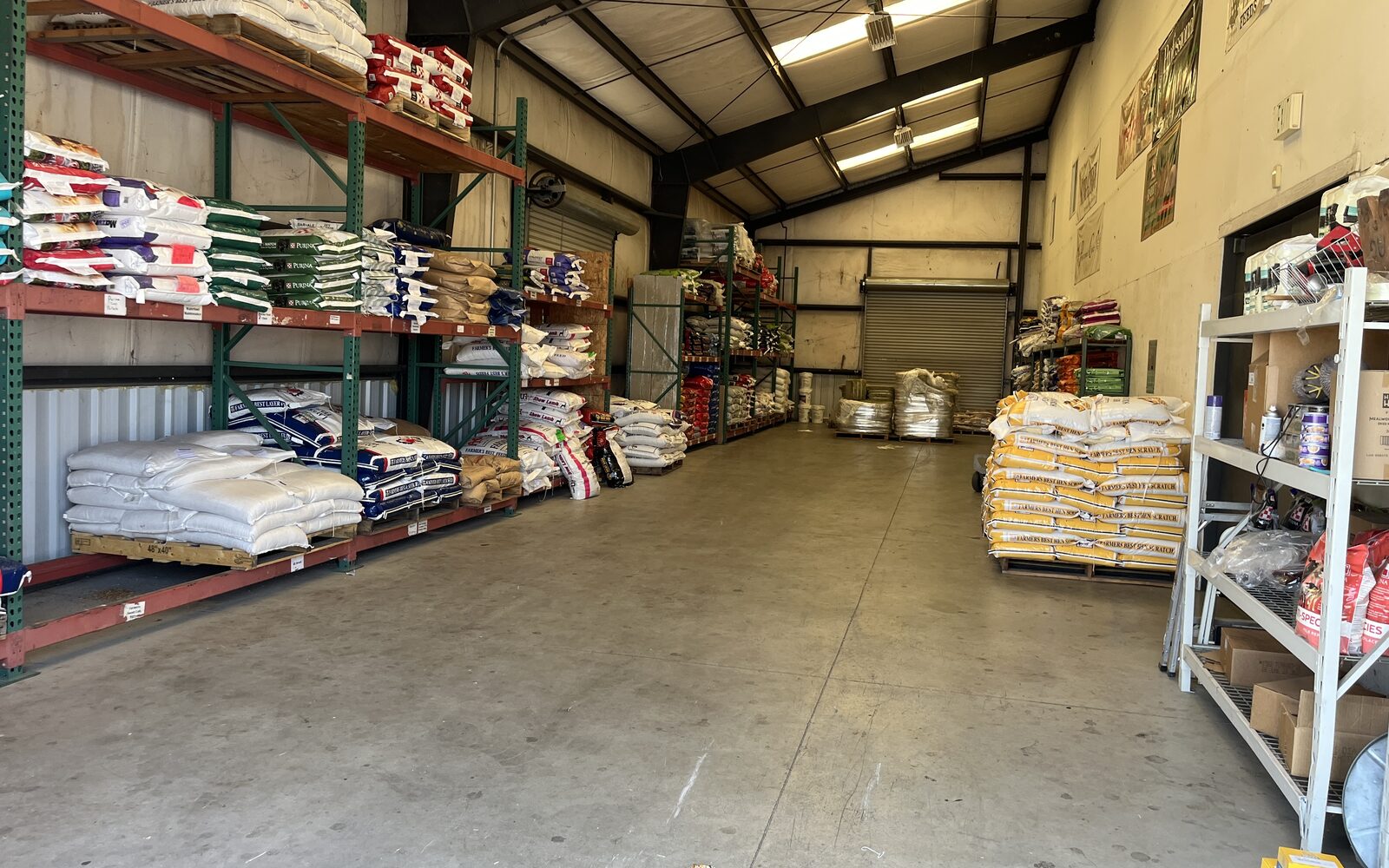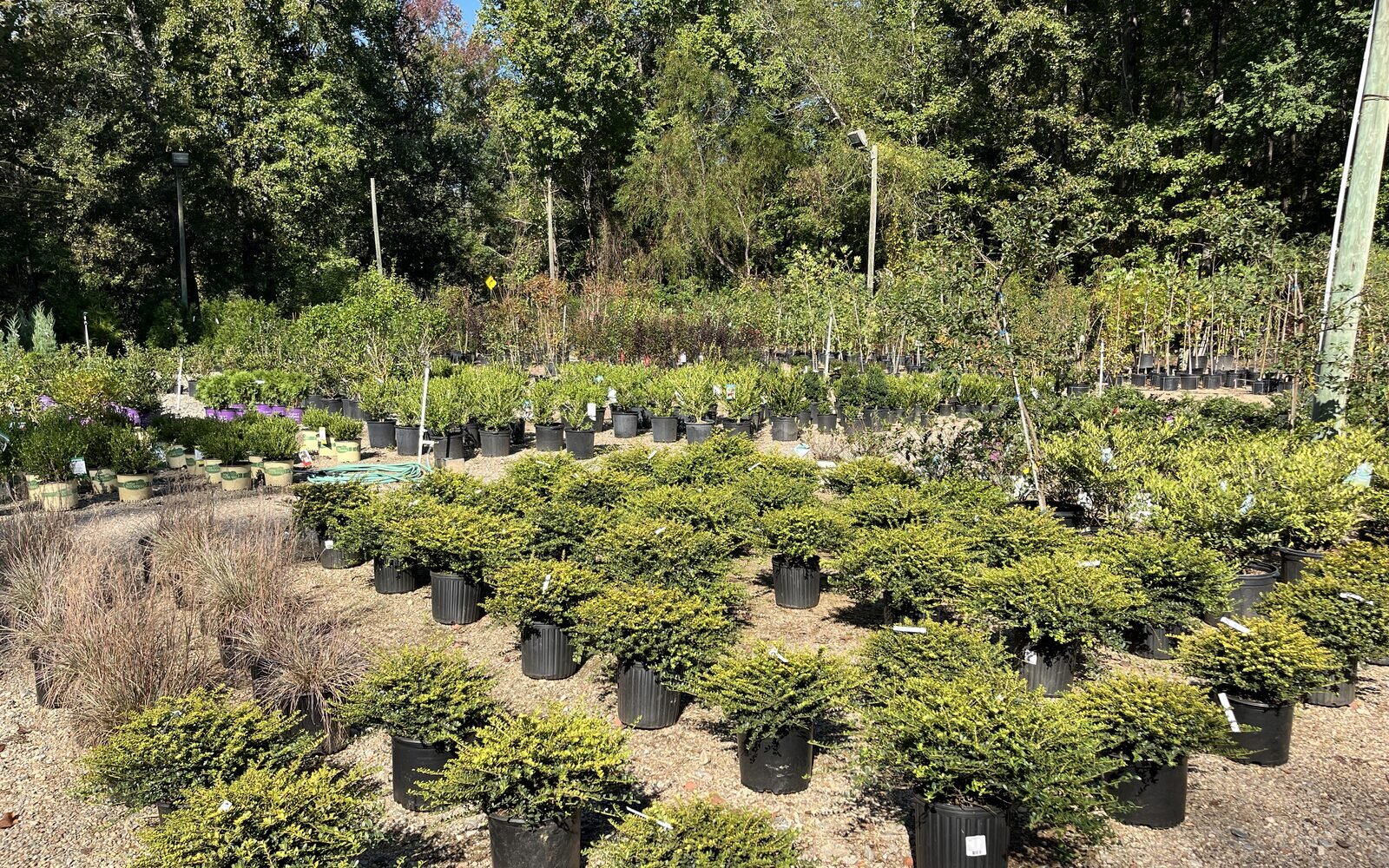
Tennessee exempts qualifying farm purchases from sales tax when the buyer holds an Agricultural Sales and Use Tax Certificate of Exemption from the Department of Revenue. A farmer, nursery operator, or timber harvester qualifies by, for example, producing and selling at least $1,500 of agricultural products in a year from land they own or lease, or by meeting one of the other tests in the state's tax manual. At your counter, the farmer must hand you a copy of the certificate, the wallet-sized card, or a completed Streamlined Sales and Use Tax Certificate of Exemption, and you must keep a copy on file with the buyer's name, address, and a description of the exempt items on each invoice. No document, no exemption, and the audit risk lands on you.
Picture a Tuesday morning at the counter. A cattle farmer sets down a $27.54 bag of feed, a roll of fence wire, and a $20.89 bag of cat food, then slides a wallet card across the counter. Two of those three items can go out the door tax free. One of them cannot, no matter how many acres the buyer farms, because the exemption follows the item, not the person. Here is how to tell the difference and what the state expects you to keep.
Who qualifies for the Tennessee ag exemption
Tennessee issues its agricultural exemption to farmers, nursery operators, and timber harvesters, and the qualification tests live in the Tax Manual for Farmers, Nursery Operators, and Timber Harvesters under Tenn. Code Ann. § 67-6-207. A buyer qualifies if one or more of these apply:
- They own or lease agricultural land "from which $1,500 or more of agricultural products were produced and sold during the year, including payments from government sources."
- They provide for-hire custom agricultural services, such as plowing, planting, or harvesting for other farms.
- They own land taxed under the Agricultural Forest and Open Space Land Act of 1976.
- Their federal return shows a Schedule F, farm rental on Form 4835, or farm rental on Schedule E.
- They otherwise establish to the Commissioner that they are actively producing agricultural commodities.
A few edge cases come up at rural counters often enough to be worth knowing. Horse boarders can qualify because boarding is a for-hire raising service, but horse trainers who do not also board, and riding trail operators, do not qualify, per the manual. Out-of-state farmers can apply to Tennessee the same way residents can, but the state draws a hard line on paperwork from elsewhere: "Tennessee will not honor certificates of exemption issued to farmers, timber harvesters, or nursery operators by other states." So the Georgia or Alabama card your across-the-line customer offers does not work at your register; they need the Tennessee document.
One more distinction that matters at a garden center or feed store: the person has to qualify before the purchase can. The manual states that "seeds, seedlings, or plants cannot be purchased tax free without an exemption certificate," so the home gardener buying tomato starts pays tax even though a nursery operator buying the same tray would not.
What the farmer hands you at the counter
The farmer applies to the Department of Revenue, and the Commissioner issues the certificate "for a period of four years or until the applicant is no longer operating within the scope of its original application," according to the manual. The manual also notes that "receipt of a certificate serves as the notice of sales tax-exempt status," and that misrepresentation "will invalidate the certificate."
When that farmer is standing at your register, the Department says "one of the following documents must be submitted to the seller at the time of purchase":
- A copy of the Agricultural Sales and Use Tax Certificate of Exemption.
- A copy of the wallet-sized exemption card provided by the Department of Revenue.
- A fully completed Streamlined Sales and Use Tax Certificate of Exemption that includes the exemption number from the certificate or card.
Any one of the three works. Most regulars will carry the wallet card, which is why your counter staff should know what it looks like and where the number and expiration date sit on it.
What qualifies and what does not
The general rule, from the Department's agricultural exemption page, covers "tangible personal property used primarily (more than 50%) by a qualified farmer or nursery operator in agriculture operations," plus equipment used primarily for harvesting timber. "Primarily" has a precise meaning here: the manual defines it as "more than 50% of its use involves the commercial production of farm products and nursery stock," and adds that "personal use or recreation does not count toward the 50%."
Here is the working list, with the quotes from the Department's page and the manual's additions.
| Qualifies for the exemption | Does not qualify |
|---|---|
| Gasoline or diesel used in agricultural operations | Gasoline or diesel used in highway vehicles |
| Seeds, seedlings, and plants grown from seed | Automobiles and trucks operated on public highways, and their parts |
| Fertilizer and pesticides | "Household appliances" |
| Livestock and poultry feeds, and drugs used for livestock | "General clothing items such as coveralls, overalls, and boots" |
| Instruments used to administer livestock drugs, semen and embryos | "Lawn mowers designed for residential use" used half or more of the time for non-agricultural purposes |
| "Wood shavings and straw used for bedding," and hay fed to livestock | A chainsaw "primarily used to cut firewood" |
| "Specialized protective gear such as beekeeper suits or chemical resistant protective clothing" | Pets. There is "no corresponding exemption for the sale of pets, including dogs, cats," and the like |
| Plastic and canvas coverings, including tarps, used primarily in agriculture; grain bins; repair and replacement parts for qualified farm machinery |
The building and fencing rules changed recently enough that long-time customers may still have the old version in their heads. The manual says that "effective January 1, 2023, lumber and other building materials that are purchased for the purpose of building a barn or other agricultural buildings and structures on farm property are exempt from sales tax," so materials for "a chicken coop or an animal barn" go out exempt, while materials for "a carport for the purpose of storing a vehicle that is operated upon public highways are not." Fencing got the same treatment: "fencing materials used primarily in agriculture operations, regardless of whether the fencing becomes realty upon installation, are exempt." That roll of fence wire from the opening scene is exempt. The carport kit is not.
A few items deserve plain-language translation. Pet food is not livestock or poultry feed, so it falls outside the listed exemption, which is why the cat food on that ticket gets taxed even though the cattle feed beside it does not. The family dog may work the farm, sleep in the barn, and ride shotgun in the truck, but Tennessee does not count him as livestock, and no amount of herding instinct changes his kibble's tax status. And the manual is direct that a seller should refuse certain sales: "a seller should refuse to sell a microwave tax exempt" on an ag certificate "because microwaves are household appliances," and the same goes for an automobile used on public highways.
What your counter must collect, check, and keep
This is the part that protects you in an audit, so it is worth training every person who touches a register. The Department instructs sellers: "Sellers must keep a copy of one of these documents on file and include the buyer's name, address, and description of tax-exempt purchases for each invoice." On the buyer's side, the manual requires farmers to keep records of exempt purchases "for a period of at least 3 years," but your obligation as the seller is the document on file and the item detail on the invoice.
A reasonable counter routine looks like this. The first time a farmer buys exempt, take a copy of the certificate, card, or Streamlined form and attach it to their account record. After that, check that the items on each ticket actually qualify, and make sure the invoice spells out what went exempt rather than lumping it into a single line. If a document ever looks off, you can confirm it through the state's system: the verification page says that "sales and use tax certificates can be verified using the Tennessee Taxpayer Access Point (TNTAP) under Information and Inquiries," while noting that "this verification does not relieve the vendor of the responsibility of maintaining a copy of the certificate on file." Checking the number is a belt; the copy on file is the suspenders.
If a customer has a question about their own certificate, or loses the card and needs a replacement, the Department's Taxpayer Services line is (615) 253-0600, option eight, per the agricultural exemption page.
Mixed tickets: exempt the item, not the person
The exemption attaches to qualifying items bought by a qualified person, so one ticket can carry both taxed and untaxed lines and both treatments are correct. The cattle feed and the fence wire are exempt; the cat food and the car battery for the highway truck are not, even when the same farmer pays for all of it at once.
This is also where the certificate differs from the paperwork your contractor customers use. A contractor buying for resale uses a different document with its own rules, and if that distinction trips up your staff, our guide to resale and tax exemption certificates for contractors walks through it. The ag certificate is pickier, and the practical habit for your team is to look at each line rather than the name at the top of the ticket. Our multi-state overview of farm and ag exemptions at the counter compares how Tennessee's approach stacks up against other states if you operate near a border.
Renewal, expiration, and the "I'll bring my card next week" customer
Tennessee certificates "are valid for a four-year period," and the Department reissues them "every fourth year to current exemption holders," after the taxpayer verifies they still qualify. The renewed certificate arrives with "an effective date of January 1 of the following year, and they will expire on December 31 four years later." The previous cycle's certificates expired December 31, 2023, and renewal ran through TNTAP, so the card your regulars carry now should show the current four-year window. The surest habit is to read the expiration date printed on the card or certificate in front of you rather than assume it is current.
Two details from the manual matter for your files. Once the Department reissues the certificates, "older exemption certificates or cards cannot be used for current purchases," so an expired card is not a grace-period document. At the same time, "sellers should still keep copies of the older exemption certificates to support any tax-exempt sales" made while they were valid, so archive the old copies rather than purging them when the new card shows up.
Then there is the customer every farm store knows, the one who left the card in the other truck and promises to bring it next week. Our advice is to collect the tax until the document is in hand. The Department says the document "must be submitted to the seller at the time of purchase," and a good-faith promise is not a copy on file. If the farmer comes back with the card and wants the tax back, handle it the way Tennessee's refund rules allow, because an untaxed sale with nothing behind it is your exposure, not theirs. That goes double for charge account customers, where exempt purchases stack up on a monthly statement and a missing certificate multiplies across the whole month; our guide to house accounts, statements, and aging covers the statement side of that workflow.
How Rundoo handles it
If your point of sale makes any of this harder than it has to be, that friction is fixable. In Rundoo, a customer's tax exemption number lives on their account, so your counter staff is not re-keying it on every visit, and you can attach a scan or a phone photo of the certificate or wallet card to the customer file, including from the mobile app while the farmer is still at the counter. Because Tennessee's exemption applies to items rather than people, you can mark a product as single-use non-taxable: the cattle feed checks out exempt while the cat food on the same ticket stays taxed. A blanket exemption number, which exempts everything on a ticket, suits schools, churches, and government buyers rather than farms.
Rundoo records the number but does not check it against the state's database, so verification through TNTAP stays with your store, and so does the habit of reading the date on the card. Once a sale is complete it is final, so if tax needs to change on a finished invoice you refund it and check the customer out again. When reporting time comes, the tax report shows taxable revenue, non-taxable revenue, and tax owed by jurisdiction, and you can ask Dooey to pull last month's tax-exempt transactions when you want to review what went out untaxed. If you move to Rundoo from your current system, your customers' tax-exempt IDs migrate with their accounts. There is more on the farm and feed store page if you want to see how the rest of the counter runs, and if you also serve customers across state lines, our guides for Florida, Georgia, and North Carolina cover their versions of the same idea.
Get the document, check the items, keep the copy, and the exemption works the way Tennessee intended.