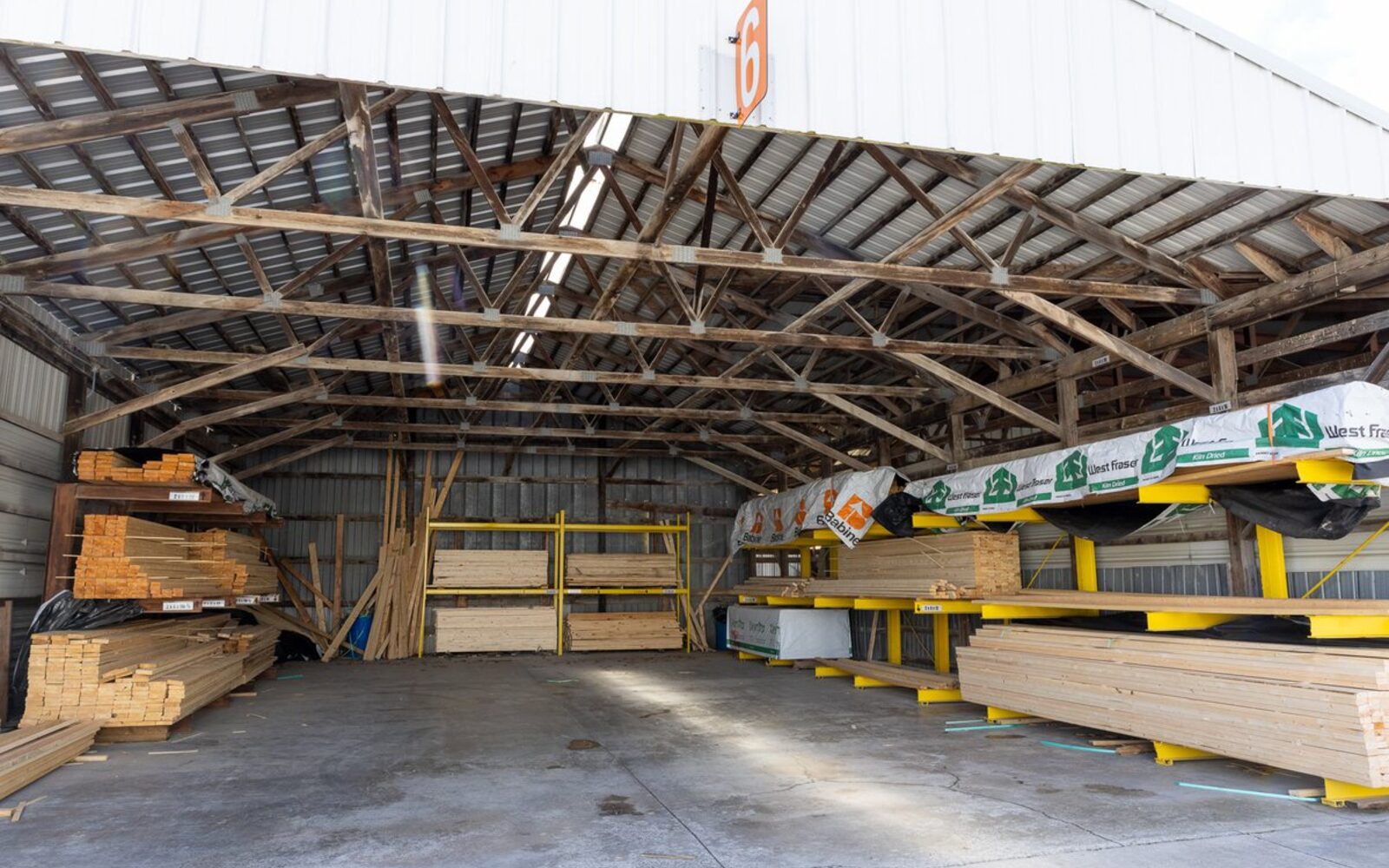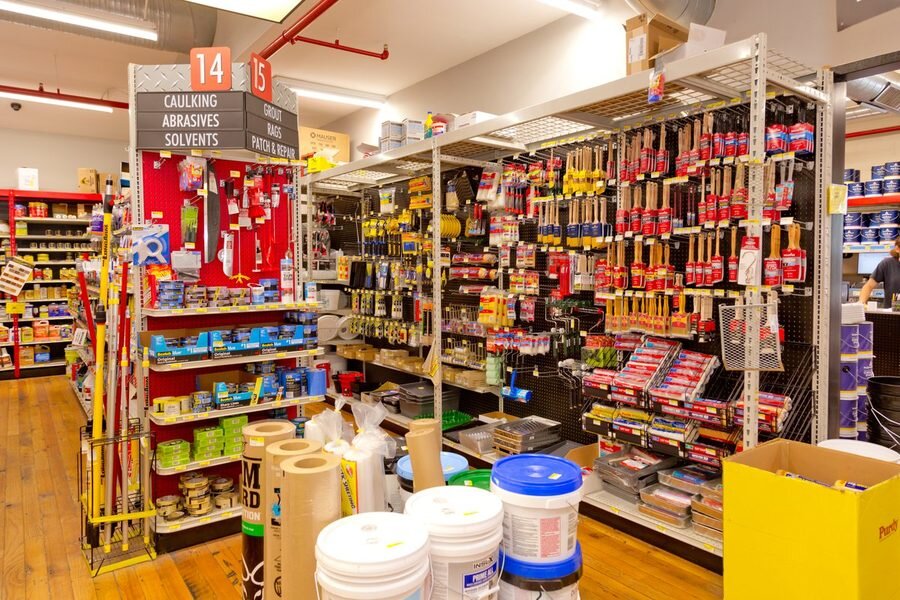
At Coosa Valley Milling & Hardware in Wilsonville, Alabama, a customer might roll in for a half-ton of custom-mixed cattle feed, a few bags of Kalmbach chick starter, a hundredweight of Purina, and a length of fence wire cut to order, none of which goes through cleanly on software written for stores selling one shirt at a time. Feed retail runs on weight, on wheels, and on trust extended until harvest, exactly the combination a general point of sale treats as an exception rather than the everyday. This deep-dive covers the three jobs generic software handles worst: pricing bulk feed by the pound, the ton, and the hundredweight, capturing the weight at the scale, and writing delivery tickets that get billed by route. If you are still comparing systems side by side, start with our farm and feed store POS buyer's guide and come back here for the weigh-in.
Selling bulk feed by weight, not by the unit
The first place a general system falls down is the scale. You buy by the ton and sell by the pound, you mix a custom ration and price it per hundredweight, and you cut and bag product that never came in a barcoded package, so a system that only understands whole units makes your team pay for it on every ticket. Your system needs to carry quantities to several decimal places, price a line by weight captured right at the register, and let one product live in more than one unit so the same bin sells by the pound to the backyard chicken keeper and by the ton to the cattleman. The cleanest version is when the scale and the register talk to each other, so the weight lands on the line and the price follows from it with no transposed digit between dock and counter. When that math is native, a rounding error on a thousand-pound order stops leaking out as a shrinkage mystery come inventory time.
Delivery tickets and routes for farm customers
A feed store is half retail counter and half logistics company, because a big share of the load leaves on your truck bound for racetracks, cattle ranches, and horse farms across the county. The ticket has to come before the money, because the driver needs something to load against and the office needs to know what left the door before it can bill, so you build a ticket, deliver against it, and only then turn it into an invoice or a charge, grouped by route and by day so nobody has to guess which of yesterday's loads has been billed. On software that assumes the sale ends at the card reader, that becomes a pile of workarounds, which is where the feed hits the fan.
Charge accounts for producers who pay after harvest
Farms and ranches run on credit, and not the thirty-day kind, because a producer's cash comes in when the crop comes off or the calves sell, so a feed store that supplies them is effectively a lender with a loading dock. A huge share of revenue can sit on account at once, which makes house accounts, per-customer pricing, statements, and an easy way to pay the financial backbone of the business rather than a nice-to-have. Nicole Patterson at S&T Farm Supplies in Hot Springs, Arkansas ran most of her business on charge accounts, and her old system had no way to produce a consolidated statement, which left her handing customers a stack of receipts and a calculator at month's end.
The fix is charge accounts native to the register, with real statements a producer can read, autopay for the ones who want it, and a way for customers to see their own deliveries and balances without a phone call, so the accounts receivable pile every feed store carries comes down without anybody playing collections. David Tapley at Monticello Farm and Home in Monticello, Kentucky came off Epicor Eagle over how much time the old setup and its support cost him, the same calculus stores are running whether they are on Eagle, Lightspeed, or Square today.
Staying current with your distributors
A feed store's shelves are only as current as its vendor connections, so a system that makes you re-key catalogs, prices, and line items is a weekly tax. Whether you pull Purina and Kalmbach direct or buy through a group, you want a system that places electronic orders, receives shipments against the purchase order in a couple of clicks, and keeps catalog and cost data current so the buyer orders ahead of the rush. Many stores run purchasing through Orgill or regional players such as Wallace, so the question for any vendor is not whether a connection is on a roadmap, it is which of your suppliers connect electronically today.
How Rundoo handles it
Rundoo is the AI-first POS built only for independent supply stores, which means the by-weight math, delivery tickets, charge accounts, and vendor connections all live in one browser-based system rather than four stitched-together ones. The Web App & POS carries flexible units and a ledger that holds quantities to several decimals, and the Customer app lets producers see deliveries and pay from their phone, which is where the accounts receivable story tends to turn. Coosa Valley went live on the vendor connections a feed and hardware store needs, Orgill among them. On top of it sits Dooey, which watches the ledger for the pricing and tax discrepancies that hide inside thousands of SKUs. Across the stores that switched we measured an average of 17% first-year revenue growth, a 25% reduction in accounts receivable, and a 2% improvement in gross margin, and the method and honest caveats behind those numbers live in our ROI analysis.
Write down how your store sells and make every candidate demo against it, because the brochure is not the software, so put each vendor through the questions below and add one more: who trains my team, and what does go-live morning look like when the first feed truck rolls in? The fastest way to test this is with your own numbers, so bring us last month's statements, your ugliest by-weight product, and a day of delivery tickets, and we will demo Rundoo against them on a feed store POS built around these exact workflows. If a simpler tool covers everything your store does, buy the simpler tool; the goal is a back office that keeps pace with the scale, the truck, and the harvest.