Plenty of hardware stores have a complicated relationship with RockSolid: genuine affection for the original system that ran their counter for years, and genuine frustration with what the MAX upgrade turned it into. One co-op-affiliated hardware owner, who wanted nothing more than something basic that's easy to check out on, summed up what we hear constantly:
"They try and push so many functions down your throat."
Eric Marden of Marden Hardware in Yonkers, New York ran RockSolid for nearly 20 years before deciding the system felt outdated, disconnected too often, and never seemed to act on feedback. For stores feeling stuck between a rock and a hard place, unhappy with MAX but nervous about a migration, the four systems that most often come next are Epicor Eagle, ECI Spruce, Paladin, and Rundoo, though for some the strongest case is for staying put.
Already sure MAX has to go? Skip ahead and see what moving off RockSolid looks like, with every data type our parser brings over from both the original RockSolid and MAX, because a store that ran one system for 20 years should not have to leave its history on the curb.
Who should stay on RockSolid MAX
RockSolid has run hardware-store counters for a long time, and a store that has made its peace with MAX's workflow, trained the team on it, and isn't feeling support pain has no urgent reason to take on a switch. Migrations cost attention even when they go perfectly, and a comfortable MAX store should spend that attention on the sales floor instead. The stores that should keep reading are the ones fighting the software daily, straddling hardware and lumber in a system that only handles one side well, or watching support charges pile up.
ECI positions RockSolid MAX as an all-in-one business system for hardware and home center retailers, which is a fair description of its ambition, and the question worth asking is whether that breadth is working for your counter or against it.
Why stores move on
Three themes dominate the calls we get from RockSolid stores. The first is complexity, because stores consistently tell us the upgrade from the original version made things worse rather than better, burying a simple checkout under functions they never asked for. The second is the hardware-versus-lumber split: original RockSolid was built around hardware SKUs and struggled with the lumber and building materials side, and stores selling across both categories told us they'd been looking for years for a system that handles both without compromise. The third is support, where owners describe charges that add up and hold times that drag, to the point that some say they'd drop the system for the support experience alone. Reliability rounds out the list, since Eric at Marden mentioned frequent disconnections as a fact of life before he switched.
The alternatives worth evaluating
Epicor Eagle
Eagle is the longest-tenured system in the category, common in hardware and farm stores, and a larger operation that wants a decades-tenured vendor should have it on the list. Know the tradeoffs going in: it's server-based rather than web-based, and stores that run it consistently cite expensive support calls and features that cost extra to switch on. A store leaving MAX because of complexity should demo Eagle carefully, because it isn't a simpler system, it's a bigger one.
ECI Spruce
Spruce is a full ERP built for the lumber and building materials side, which makes it a natural consideration for a store whose complaint with RockSolid is the lumber half of the business. Go in with clear eyes about the structure that comes with it: you pay per concurrent user, you sign a long-term contract, updates to the software land roughly once a year, and building custom reports means knowing your way around Crystal Reports and SQL. For a store with a strong back office that wants to configure every corner, that structure may work. For a store that wanted simpler, it isn't that.
Paladin
Paladin has been installed behind hardware counters for decades, and a hardware-first store that wants category-specific software from a long-tenured vendor will recognize the territory. It's installed software, so you stay tethered to the machines it runs on, and stores with heavy contractor billing should test the aging and statement workflows hard before signing, since that's the area where we hear the most frustration from Paladin stores themselves. As a sideways move from MAX it solves some problems and inherits others.
Rundoo
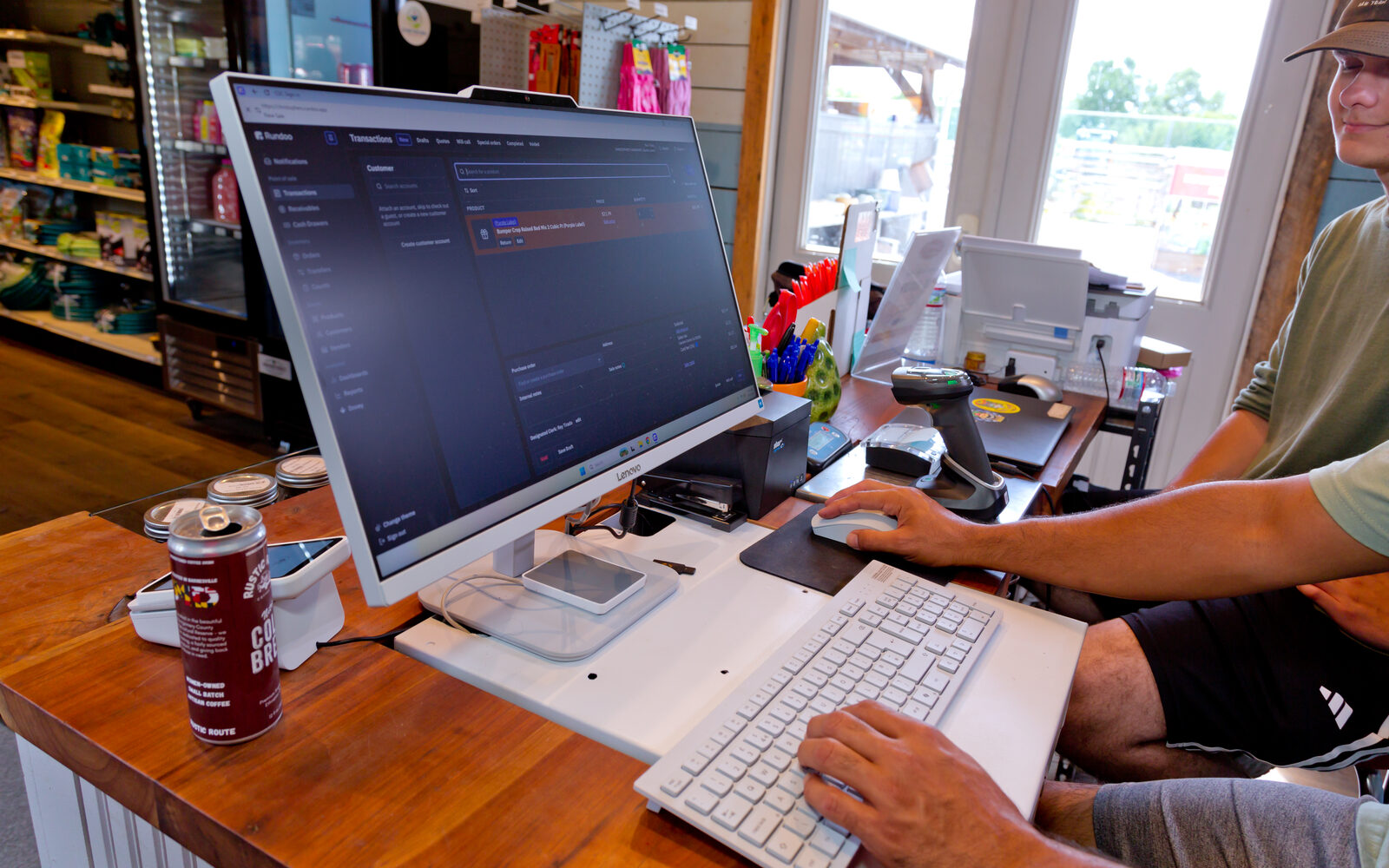
Rundoo is web-based, so the Web POS opens in any browser at the counter, at home, or at a second location, and the design goal is depth that stays out of your way: simple to check out on, with the heavier tooling one search away instead of piled on top of every checkout. Hardware and lumber live in one system that handles both, support is included with people who have real hardware retail experience, and Dooey is built into every screen. The migration is well-worn territory too: our parser reads exports from both original RockSolid and RockSolid MAX, and it carries your products, customers, vendors, sales history, inventories, pricing tiers, financing terms, product categories, detailed aging, and custom pricing across without manual re-entry.
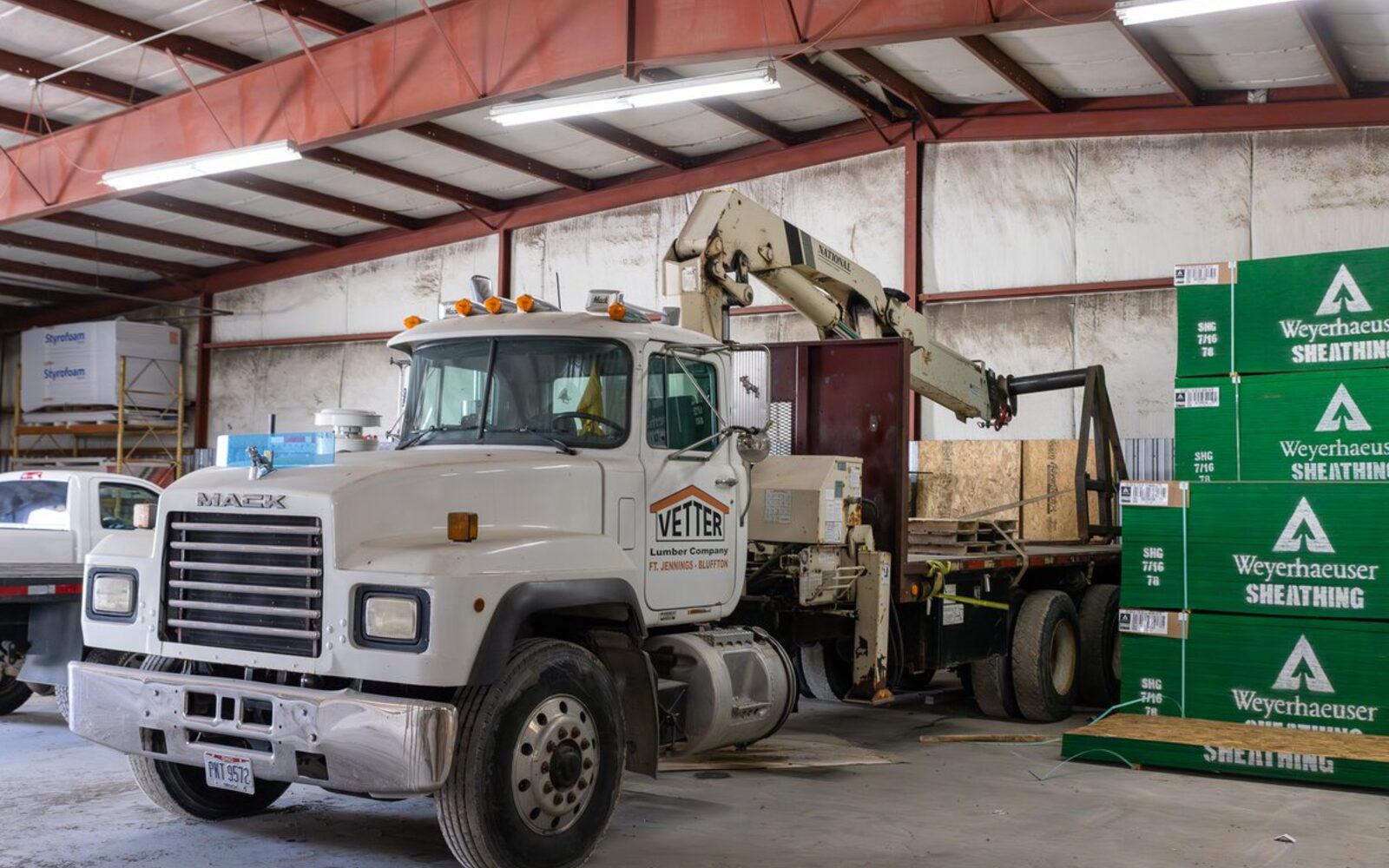
Two of our favorite proof points came off this exact system. Berry's Hardware in Dumas, Arkansas went live on schedule in February 2026 less than a week after a 60-foot section of their roof collapsed, serving customers at the door of a building under reconstruction, and Brandon Berry's verdict on the go-live was short:
"The implementation team was phenomenal."
And after two decades on RockSolid, Marden Hardware found that tasks which used to take minutes, like searching for customers or adding new products, now take seconds, with everything centralized in one web-based tool instead of split between counter and back office.
RockSolid MAX alternatives compared
| System | Best for | Trade-off coming from RockSolid MAX |
|---|---|---|
| RockSolid MAX (staying) | Stores that use the density well, have the back office to keep it configured, and are not fighting the lumber half of the business. | The complexity complaint is structural rather than a settings problem, so it tends to persist. |
| Epicor Eagle | Larger operations that want a decades-tenured vendor across hardware and farm retail. | Not a simpler system, a bigger one, and server-based, with expensive support calls and features that cost extra to switch on. |
| ECI Spruce | Stores whose real complaint is the lumber and building-materials side, with a strong back office that wants to configure every corner. | Per-concurrent-user pricing, long-term contracts, roughly annual updates, and Crystal Reports plus SQL for custom reporting. |
| Paladin | Hardware-first stores that want category-specific software from a long-tenured vendor. | Installed software again, and Paladin stores themselves report the most frustration around aging and statement workflows. |
| Rundoo | Stores that want hardware and lumber in one web-based system, with depth one search away rather than piled onto every checkout. | A newer cloud platform, so you take on a migration and a vendor without decades of installed base behind it. |
How to run the evaluation
Whichever names make your shortlist, put them through the same three tests. Run your ten most annoying real-world transactions, including the lumber-side ones with units and contractor pricing, and time them. Ask for the fully loaded monthly price in writing, including users, support, and any modules, so the quotes are comparable. And ask each vendor to walk you through a migration from RockSolid MAX specifically, naming a store they've done it for, because "we support data imports" and "we've done this exact migration many times" are very different sentences.
It is also worth reading someone with no stake in your decision, so compare your shortlist against an independent roundup such as The Retail Exec's survey of hardware store POS systems, and treat any vendor that only ever looks good in its own materials with the suspicion it has earned.
Leave no stone unturned
A system you've run for 20 years deserves a thorough goodbye, not a rage-quit, so take the time to demo two or three of these against your store's real workflows. When you want to see exactly what a move to Rundoo preserves, our switch from RockSolid page lists every data type our parser brings over from both versions, and Brandon and Eric's stories are there whenever you'd rather hear it from an owner who has already made the jump.