Is the cloud more secure and resilient than my own server?

When a store owner is weighing a move from a system that runs on a server in their back office to one that lives in the cloud, two questions tend to surface, and they are almost always asked a little carefully, the way you ask about something you suspect might have an uncomfortable answer. The first is whether the cloud is actually more secure. The second is whether it is more resilient, by which most people mean something very concrete: if something goes wrong, can I get my information back. I want to take both of these seriously, because they are exactly the right questions to be asking about the system that runs your business, and a lot of people who should ask them never do.
I also want to be honest about where I land, because dancing around it would not do you any favors. The answer to both questions is yes, the cloud is more secure and more resilient than a server in your store, and once you look at how each one actually works, it is not a close call.
Is the cloud more secure?
Let us define security the way it actually matters to you: how likely are you to be the victim of an attack, and how much damage can that attack do.
Picture the server in the back office. It sits behind the paint cans or under a desk near the returns counter, it has been running since the day it was installed, and the honest answer to "who patches it, who monitors it, and who would notice if someone broke in at two in the morning" is usually some combination of nobody, the owner, and a part-time IT person who visits when something is already on fire. The antivirus subscription lapsed a while ago, remote access was left open so the old vendor could log in, and the machine has not been updated in months because updating it means closing the store. None of this is a knock on you. It is simply what happens when a security perimeter is one box in one building defended by people who have an actual store to run.
Now picture where your data lives with a cloud system like ours. Rundoo stores your information in Google Cloud, in a managed database service called Cloud SQL, which means your data sits inside Google's infrastructure rather than on a tower in your stockroom. That distinction matters more than it sounds. Google owns and operates some of the most heavily defended data centers on the planet, with physical security most banks would envy, encryption of your data both while it is stored and while it travels, and a security team larger than most software companies are large in total. They patch continuously, they monitor continuously, and defending that infrastructure is a multi-billion-dollar line item that you get to borrow for the price of a software subscription. You are not bringing a knife to a gunfight; you are borrowing the entire armory.
I want to be careful not to oversell this, because no honest engineer will tell you the cloud makes you invincible. What it does is move the weakest point. When your data lives in Google's data centers, the realistic risk is no longer a stranger walking off with your server or a worm chewing through an unpatched machine. It becomes much more about who has your passwords and who has access to your account, which is genuinely something you have to take seriously, and it is why we lean on protections like two-factor authentication. Google's own security team makes exactly this point: a well-run cloud is rarely the weak link, but how people use it can be. That is a far smaller and far more manageable surface than an aging box with the door propped open, and it is one you and we can defend together.
Is the cloud more resilient?
Here resilience means something specific and unglamorous: if the worst happens, can you get your information back.
The back-office server fails this test in a quiet, alarming way. It is a single box, and single boxes fail. Hard drives die without warning, sprinkler heads let go, buildings flood, laptops and towers get stolen, ransomware locks everything up and demands payment, and every so often someone sets a coffee down in exactly the wrong place. The backup plan, when there is one, is frequently a USB drive that lives on the shelf next to the server it is supposed to protect, which is a bit like keeping your spare key taped to the front door. And even a diligent nightly backup is still last night's backup, so a bad Tuesday afternoon can cost you a full day of sales, receiving, and customer records that no longer exist anywhere.
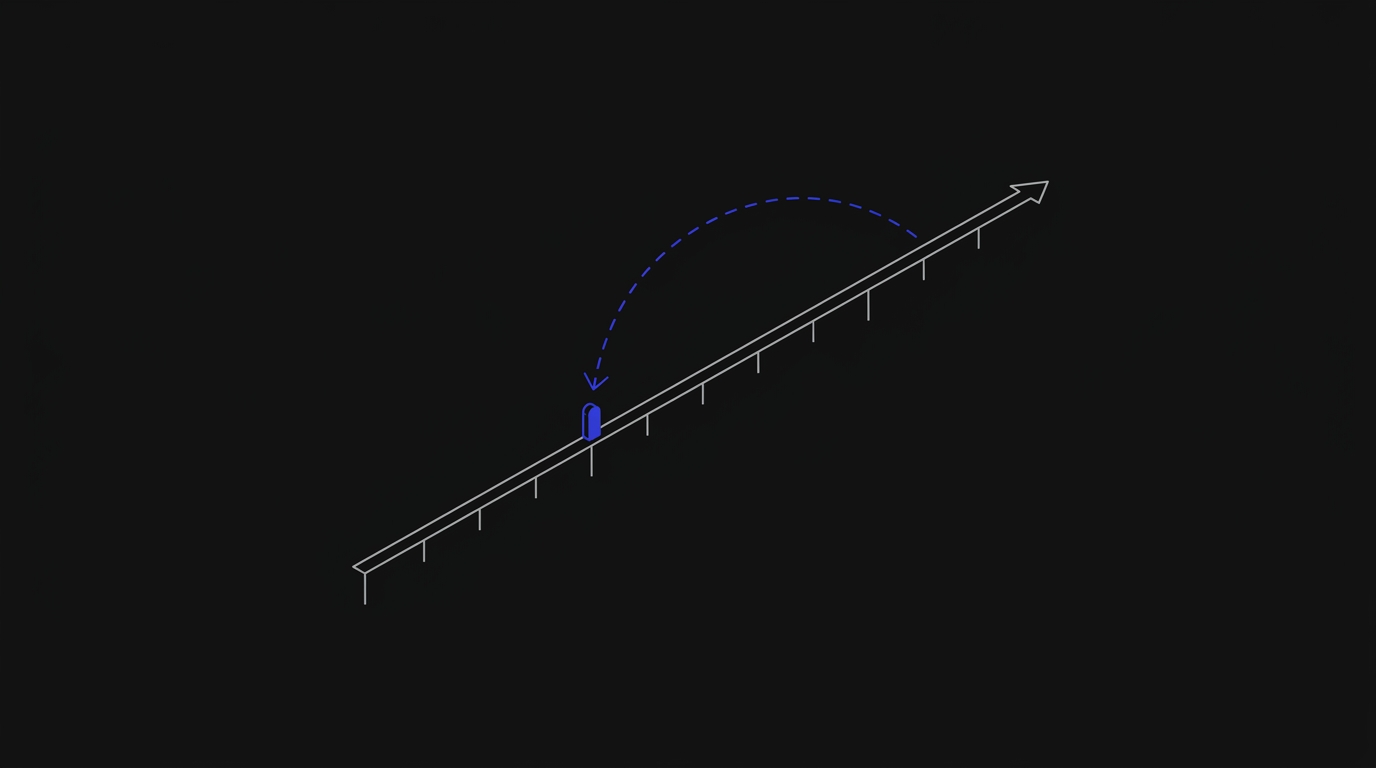
A cloud database solves this with something called point-in-time recovery, and it is worth explaining plainly because it is genuinely the part that should put the question to rest. Rather than capturing a single snapshot each night, the system keeps a continuous record of every change as it happens, which means we can restore your data to a specific moment in time rather than to whenever the last backup happened to run. If something went sideways at 2:47 in the afternoon, we can roll your data back to 2:46, before the trouble started.
On top of that, your data is not sitting in one place hoping for the best. It is replicated across multiple physically separate data centers, so a fire, flood, or outage in one building does not take your business down with it. The blunt version is this: your store could burn to the ground tonight, and tomorrow morning every transaction, every customer, and every count of inventory would still be exactly where you left it. The server in the back office cannot make that promise, and it never could.
So why does moving to the cloud feel like the riskier choice?
I think it comes down to control, and the instinct is worth respecting rather than dismissing. The server in the back is something you can see, touch, and unplug, and that physical presence feels like safety. Handing your data to a company whose data centers you will never visit feels like the opposite. It is the same instinct behind another question we hear constantly, which is what happens the day your internet goes out, and the two are worth reading side by side.
But a box you can touch is also a box that can be stolen, flooded, or simply die one morning, and the comfort of being able to see it is doing a great deal of work that its actual security is not. The safest place for the information that runs your business is not the spot you can point to in your own stockroom. It is the one watched around the clock by a team of people you will never meet, copied across buildings in different cities, and rewindable to any minute you choose. Control over a single point of failure is not really control. It just feels like it, right up until the morning it doesn't.
That is why we built Rundoo on Google Cloud from day one, with point-in-time recovery running by default rather than as an upsell. The same cloud foundation is what lets the rest of the product work the way it does, from getting paid and finding any product in seconds to the AI layer that reads your real numbers. If you are weighing the larger move, it is worth reading what switching actually costs and returns, how the switch itself tends to go, and why we are not going anywhere as the company you would be trusting with all of this in the first place.
You should ask these questions of any vendor who wants to run your business, and if you ask them of us, we are glad to walk through exactly how your data is stored, secured, and recovered. It is one of the few parts of switching where the honest answer is also the easy one.
Find out what Rundoo can do for your business
Learn how Rundoo can help you save time, money and hassle running your business.
Book a demo