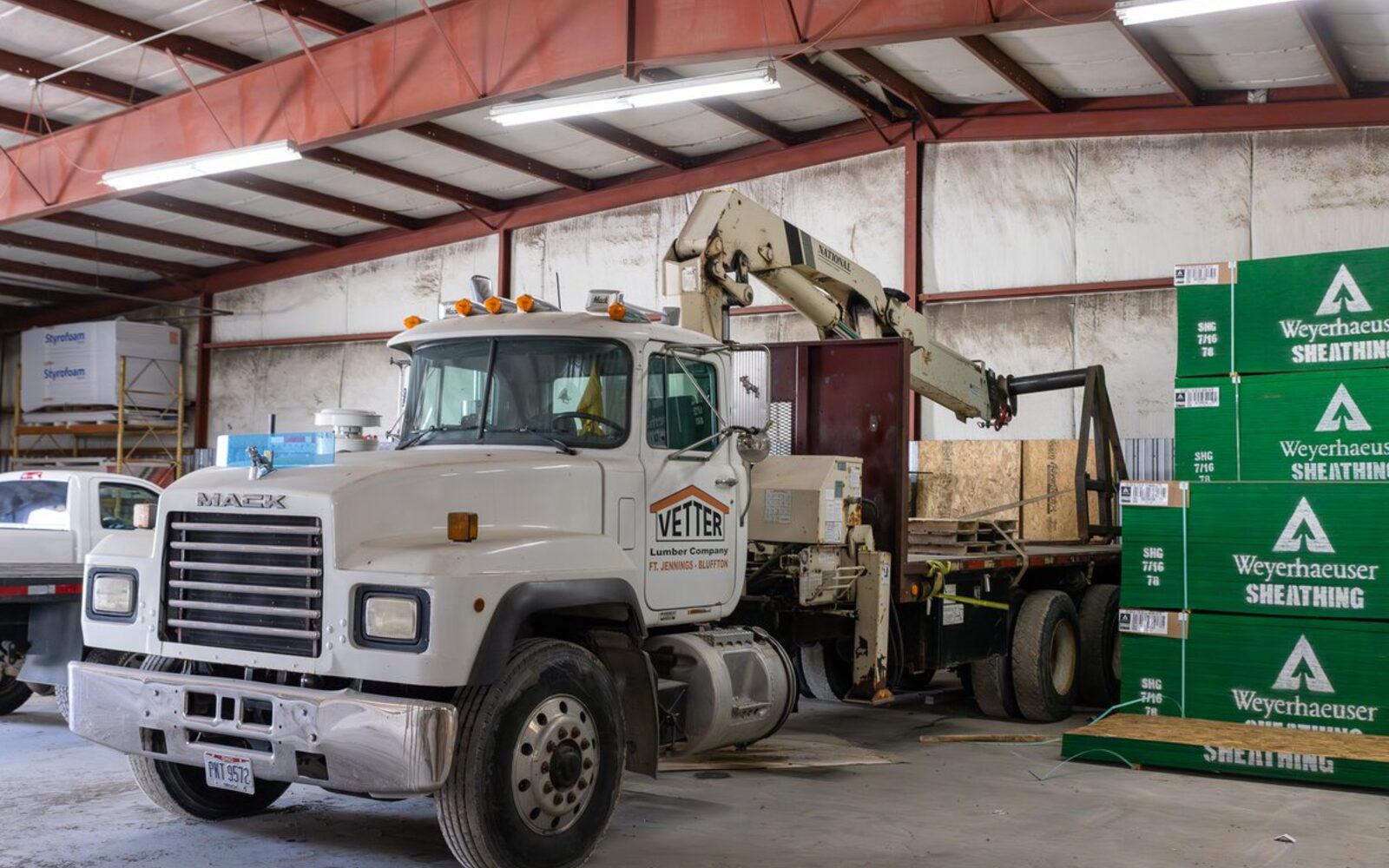
A paladin is supposed to be your knight in shining armor, and Paladin the software has stood watch behind hardware counters for decades. But even the best armor needs re-galvanizing eventually, and we know exactly when the shopping usually starts, because owners tell us. One hardware store owner spent an entire week manually matching checks to invoices because his system couldn't produce an aging report that tracked payments at the invoice level, and his conclusion was point blank:
"That's why we're switching to Rundoo."
If your back office has ever lost a week to a spreadsheet doing work the software should do, you already know the feeling. The systems Paladin stores most often move to are Epicor Eagle, RockSolid MAX, POS Nation, and Rundoo, though for some stores the right move is no move at all.
Already sure Paladin has to go? Skip the comparison and see what moving off Paladin looks like, including the detailed aging, customer balances, and jobs our parser carries across, so the week of matching checks by hand stays in the past where it belongs.
Who should stay on Paladin
Paladin has been installed in hardware stores for decades, plenty of stores run their whole operation on it, and a single-location store with a straightforward counter workflow and a support experience it's happy with doesn't have an urgent reason to move. Switching systems is a project, and if Paladin isn't causing you real pain, bank the energy for a problem that is. The stores that should be reading closely are the ones with growing contractor books, house accounts stacking up, or an owner who wants to see the store from somewhere other than the machine the software is installed on.
The three complaints we hear most
When Paladin stores call us, the conversation usually lands on one of three things. Accounts receivable comes up first: charge account management and invoice-level aging matter enormously to stores that bill contractors, and reconstructing payment histories by hand is the kind of chore that quietly eats a back office. Second is the installed-software problem, because Paladin keeps you tethered to the machine it's running on, and owners increasingly expect to check on the store from home or pull a report from their phone in the aisle. Third is the feedback loop, since stores often feel like they're submitting feature requests into a void and never hearing what happened to them. None of these are dealbreakers for every store, but if two of the three sound familiar, it's worth a look around.
We are hardly a neutral party on this question, so it is worth reading a third party too. The independent review aggregator CheckThat.ai's Paladin page pulls verified user feedback from Capterra, GetApp, TrustRadius, and SourceForge into one view, and it is a fair way to check whether the pattern we describe matches what other Paladin stores report.
The alternatives worth evaluating
Epicor Eagle
Eagle is the longest-tenured system in the category, installed in hardware and farm stores for decades, and a store that wants an incumbent vendor with a large installed base should consider it. The tradeoffs are the ones that come with its architecture: it's server-based, so you're navigating installed software and syncs, and stores consistently mention support costs and hold times as a sore point. If you're moving off Paladin to escape installed software, understand that Eagle is a lateral move on that particular front, and read up on what switching from Eagle eventually involves, because many stores end up making that second move later.
RockSolid MAX
RockSolid has run hardware-store counters for a long time, and it remains a familiar name that plenty of stores evaluate. Worth knowing before you demo it: stores that upgraded from the original version to MAX have told us the newer version tries to do too much at once, with one co-op-affiliated hardware owner telling us the system kept piling on functions he never asked for when all he wanted was something easy to check out on. If you like a system with a lot of switches and settings, that density may suit you. If Paladin already feels like enough complexity, test the counter workflow carefully.
POS Nation
POS Nation competes on price, and for a store whose needs are mostly straightforward retail transactions, it can be a budget-conscious landing spot. The caution for supply stores is that it runs thin exactly where Paladin stores tend to be hurting: contractor AR and the buying-group catalogs you order from aren't its center of gravity, so a store switching because of aging reports could end up trading one workaround for another. Demo your hardest AR scenario, not the easy cash sale.
Rundoo
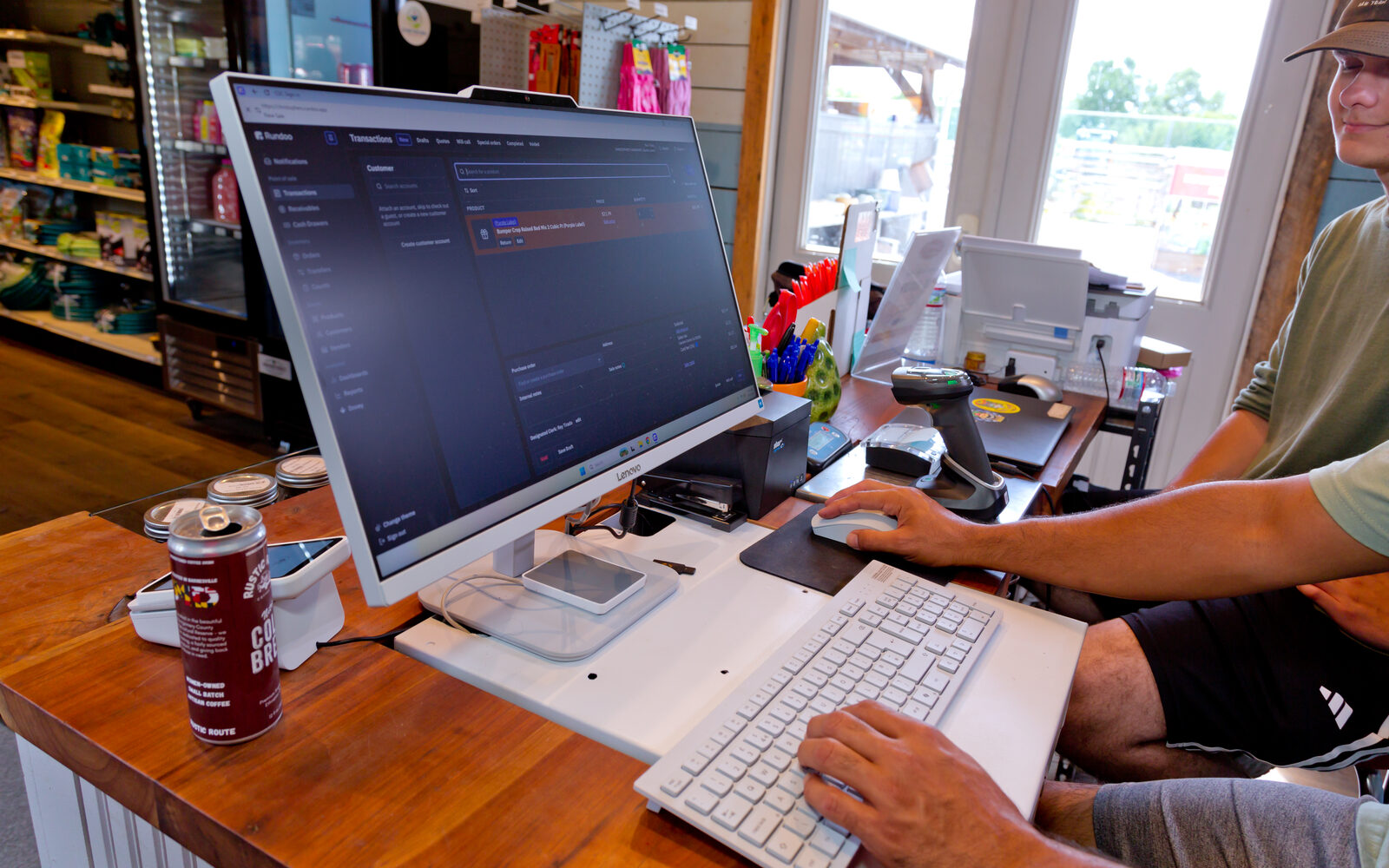
Rundoo treats receivables as core rather than a bolt-on, with charge accounts, monthly statements generated automatically, detailed invoice-level aging, and autopay built in, which is precisely the gap that week-of-matching-checks owner was trying to close. The Web POS lives in a browser, so you can check on the store from home, pull reports on your phone, or log in from a second location without installing anything, and the Staff app puts inventory counts and product search in your team's pockets. On the feedback front, our ideas board shows you exactly what's being worked on, and the roadmap is shaped directly by conversations with store owners. And the migration itself is well-trodden ground: products, customers, sales history, vendors, inventories, pricing tiers, financing terms, product categories, detailed aging, customer balances, and jobs all ride over on a Paladin parser we have run many times.
Paladin alternatives compared
| System | Best for | Trade-off coming from Paladin |
|---|---|---|
| Paladin (staying) | Stores whose team knows it cold, whose contractor book is small, and whose support experience has been reasonable. | The three complaints above do not go away on their own, and installed software keeps you tied to the machine. |
| Epicor Eagle | Stores that want an incumbent vendor with a large installed base across hardware and farm retail. | A lateral move on the installed-software front, plus support costs and hold times stores mention consistently. |
| RockSolid MAX | Stores that like a lot of switches and settings and want a familiar hardware-counter name. | Stores that upgraded to MAX tell us it piles on functions they never asked for, so test the counter workflow. |
| POS Nation | Stores whose needs are mostly straightforward retail transactions and whose budget is the binding constraint. | Runs thin on contractor AR and buying-group catalogs, which is exactly where Paladin stores tend to be hurting. |
| Rundoo | Stores leaving because of receivables, because they want the counter in a browser, or because they want to see the roadmap. | A newer cloud platform, so you take on a migration and a vendor without decades of installed base behind it. |
Questions that separate the contenders
Whoever you evaluate, make them prove three things in the demo. First, have them produce an invoice-level aging report and a monthly statement run in front of you, since that's the workflow that burned the check-matching owner. Second, ask whether you can open the system in a browser from home with nothing installed, and watch whether the answer comes with an asterisk. Third, ask how feature requests get handled, and whether you can see what's on the roadmap. The vendors who answer crisply are the ones who've heard these questions from stores like yours before.
Hang up the armor on your own schedule
There's no prize for switching fast, and the right move is the one your team is ready for; how the switching process works is a story of its own. When you're ready to see what a move would preserve, our switch from Paladin page lists every data type that comes over automatically, down to the detailed aging that started this whole conversation.