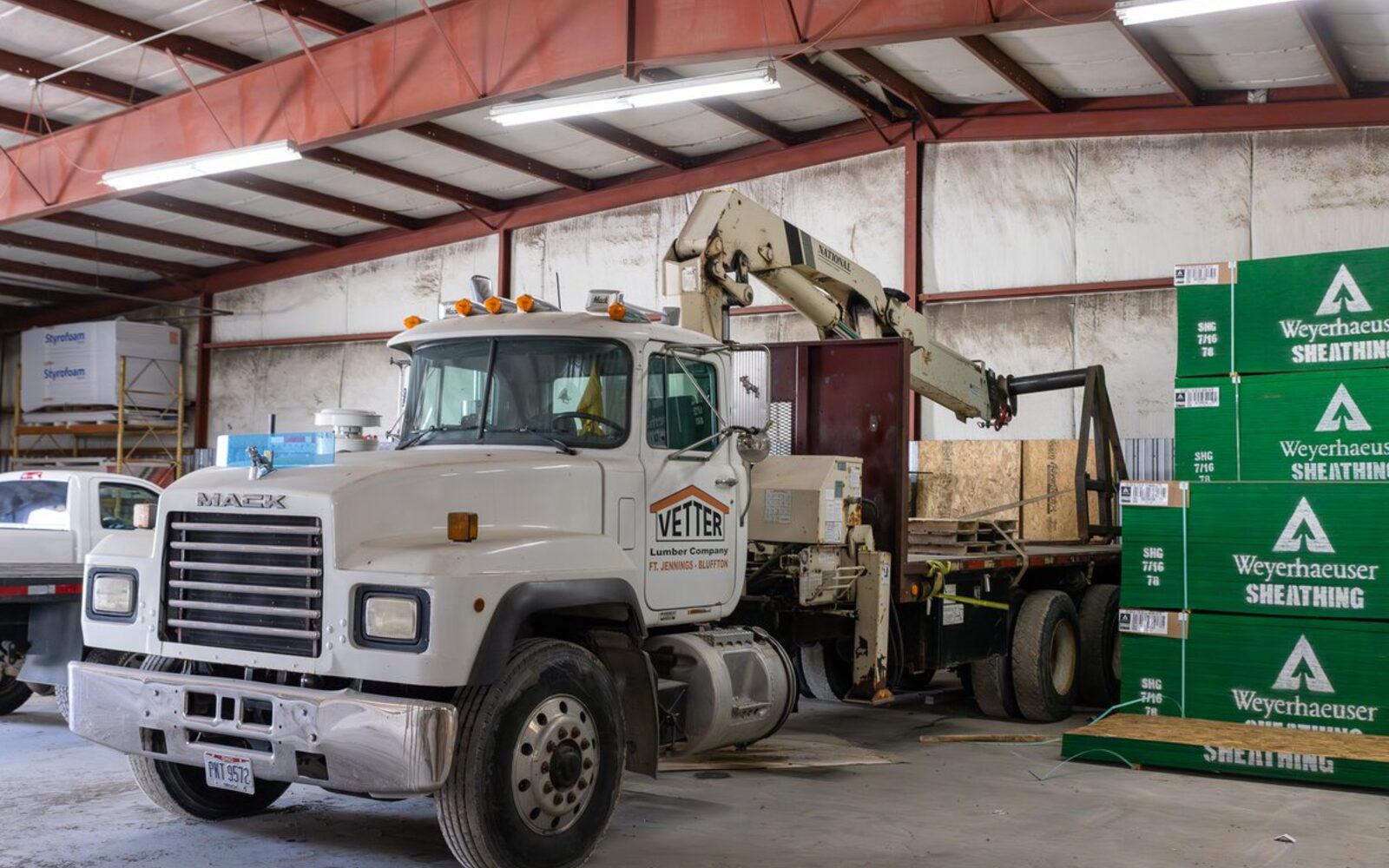
Walk into almost any established hardware, farm, or lumber store in America and there's a decent chance an Epicor Eagle terminal is running the counter, and it has held that spot for decades. But we talk to a lot of Eagle stores, and the same moment keeps coming up: the day the quote arrives to turn on a feature that feels like it should have come standard. The owners of Vetter Lumber in Bluffton, Ohio remember that day well:
"They like to charge you for every little thing. They were going to charge us two grand just to turn an option on."
When the math stops working, the shopping starts. The alternatives Eagle stores most often evaluate are Epicor's own cloud product Propello, Paladin, ECI Spruce, and Rundoo, though for some stores the right answer is to stay right where they are.
Already sure Eagle has to go? Skip the shopping list and see what moving off Epicor Eagle looks like, from the data our Eagle parser brings across to the stores that have already made the move, no two-grand option fee required.
Who should stay on Eagle
Eagle has run the counters of hardware, farm, and lumber operations for decades, and many stores have built years of workflows around it. If your team knows the system cold and your support experience has been reasonable, switching may cost you more in disruption than it saves you in fees. Multi-location operations that have customized Eagle heavily and are happy with it should think twice before trading a known quantity for a migration project. The best reason to switch is a real problem, not a shiny demo.
What sends stores looking
Three complaints show up again and again when Eagle stores call us. The first is the server-based architecture: waiting on syncs, navigating menus that haven't changed in years, and being stuck on the one machine where the software is installed, when the rest of your life already runs in a browser. The second is support costs, the expensive calls and long hold times that leave owners feeling like a ticket number instead of a partner. And the third is the option-toggle economy, where features arrive with an invoice attached. None of these mean Eagle is a bad system. They mean it was architected in a different era, and the bill for that era keeps landing on your counter.
The alternatives worth evaluating
Epicor Propello
If you like Epicor but want off the on-premise server, Propello is Epicor's go-forward cloud product, and staying in the family is a legitimate choice because your vendor relationship carries over and the company knows your industry. Go in with clear eyes on pricing, though: the base subscription is only the beginning once you stack on named users, extra POS lanes, additional locations, financials, analytics, vendor catalogs, and automation connectors, each billed monthly. If you're comparing quotes, compare the fully loaded monthly number, not the starting price.
Paladin
Paladin has been installed behind hardware counters for decades, which makes it a familiar landing spot for stores that want hardware-specific software without changing much about how they operate. It's installed software, so you're still tethered to the machines it runs on, and stores that need thorough receivables tooling should test the aging and statement workflows carefully before committing. For a single-location hardware store with straightforward needs, it stays on plenty of shortlists.
ECI Spruce
Spruce is a full ERP aimed at lumber and building materials, and stores with heavy contract-sales operations should have it on the list. The tradeoffs to weigh: it prices by the concurrent user, so a busy Saturday can mean someone waiting for a seat to open up, it leans on long-term contracts, updates arrive about once a year, and custom reporting takes Crystal Reports and SQL knowledge. If you have a tech-comfortable back office and want to configure every corner, that structure may suit you. If you want software that improves continuously without a consultant, weigh those tradeoffs hard.
Rundoo
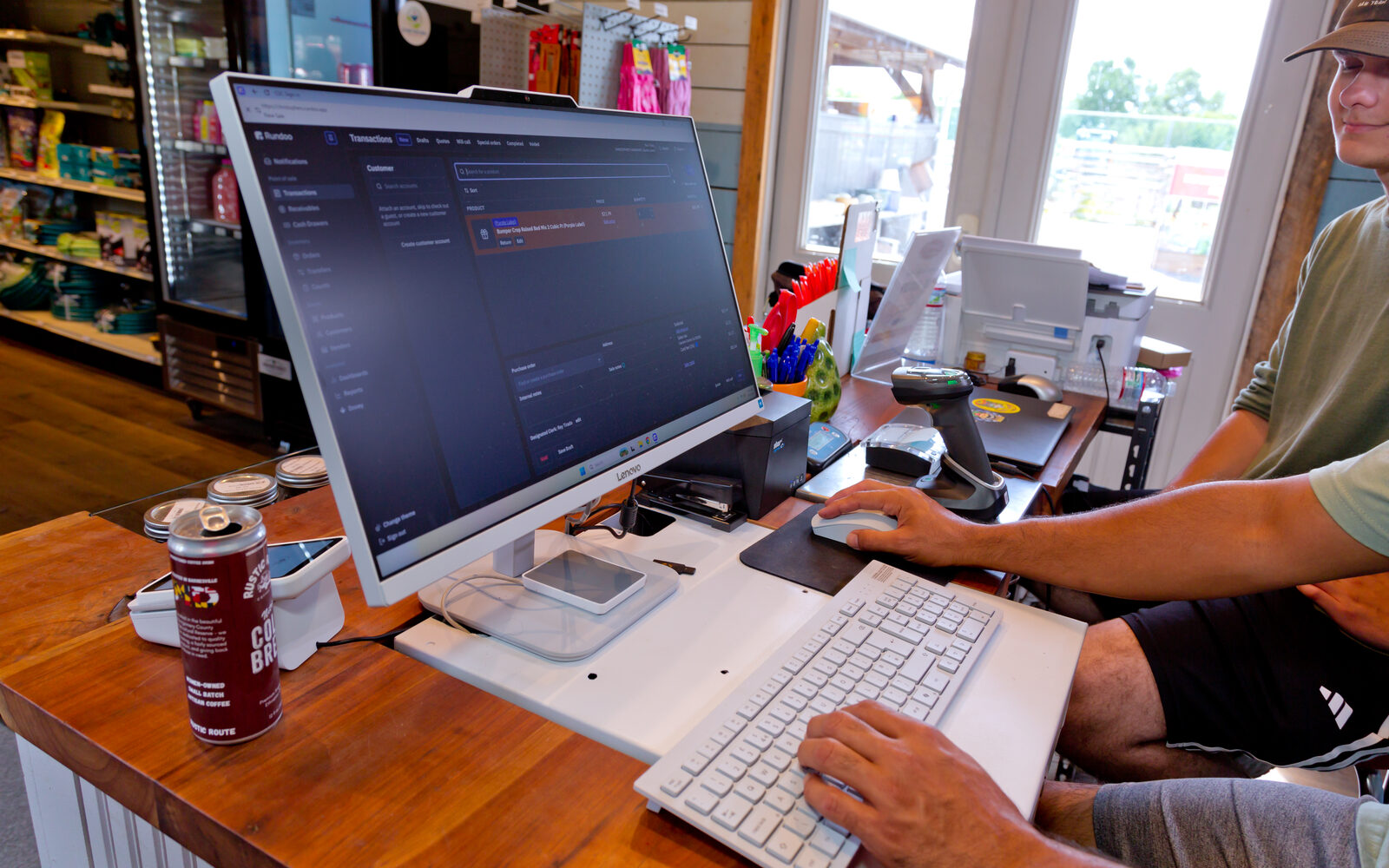
Rundoo is web-based, so the Web POS runs in any browser and you can check on the store from your kitchen table, and Dooey is built into every screen rather than sold as a separate analytics product. Pricing is one all-in number with unlimited users, and support is included, with people who have worked in stores like yours. On the migration itself, our Eagle parser is one of our most complete, and the full list of what transfers is on our switch from Epicor Eagle page. That's how a two-yard lumber operation like Vetter and a farm store like Monticello Farm and Home in Kentucky both made the jump without losing the data their businesses run on. David Tapley at Monticello wasn't even shopping when he saw the demo, and a few weeks after go-live, Dooey flagged a pricing error that would have become a six-figure tax discrepancy.
Epicor Eagle alternatives compared
| System | Best for | Trade-off |
|---|---|---|
| Rundoo | Stores that want a web-based system they can run from any browser, with AI built into every screen, one all-in price for unlimited users, and support included. | You take on a migration off a system your team already knows. |
| Epicor Propello | Stores that like Epicor and want off the on-premise server while keeping the vendor relationship. | The base subscription is only the start once users, POS lanes, locations, financials, analytics, catalogs, and connectors stack on monthly. |
| Paladin | Single-location hardware stores with straightforward needs that want hardware-specific software without changing much. | It is installed software tethered to its machines, and receivables-heavy stores should test aging and statement workflows first. |
| ECI Spruce | Lumber and building-materials stores with heavy contract-sales operations and a tech-comfortable back office. | It prices by concurrent user, leans on long-term contracts, updates about once a year, and custom reporting takes Crystal Reports and SQL. |
How to decide
Whichever direction you lean, ask every vendor the same five questions and write down the answers. What is the fully loaded monthly cost, including users, locations, catalogs, and support? What exactly migrates from Eagle, and can you show me a store where you've done it? Is support included, or billed per call? Can I run the system from a browser at home? And what happens to my data if I ever want to leave? Any vendor worth your business will answer all five without flinching, and the answers will tell you more than any demo.
The Eagle doesn't have to land today
Eagle stores tend to stay on the system for a long time, so this is a decision you'll live with for years, and it deserves more than a weekend of research. Whether the Eagle has earned another season on your counter or it's finally time for it to fly the coop, start by understanding exactly what a migration would preserve, and if you'd rather hear it from an owner than from us, the Vetter and Monticello stories are a good place to start.